 Language

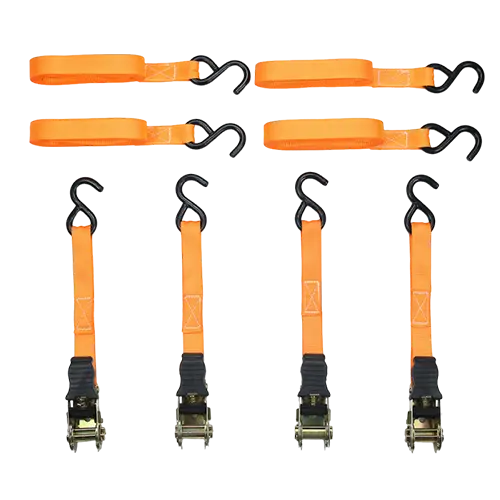
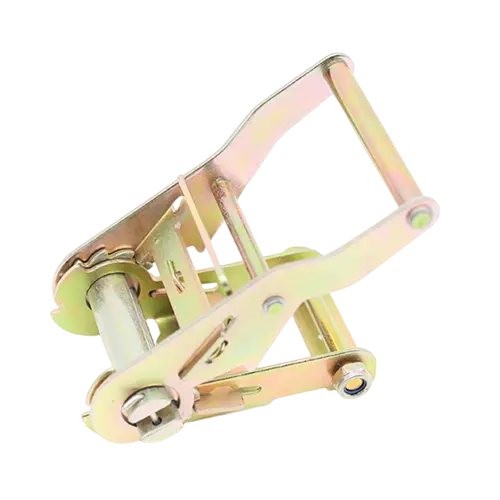
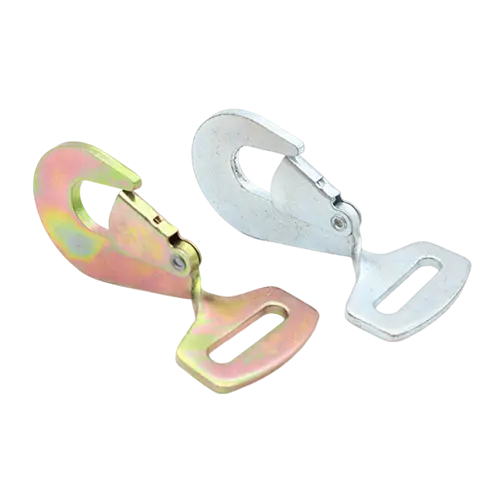
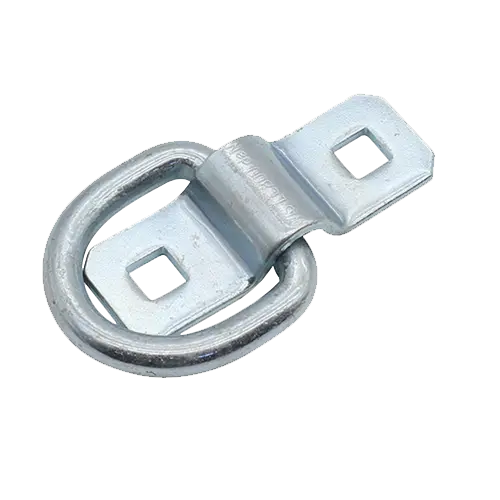




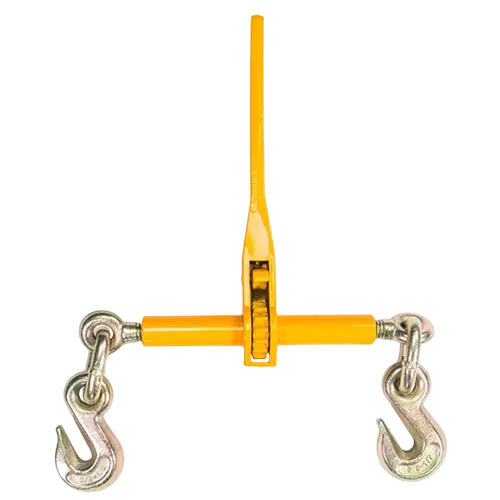
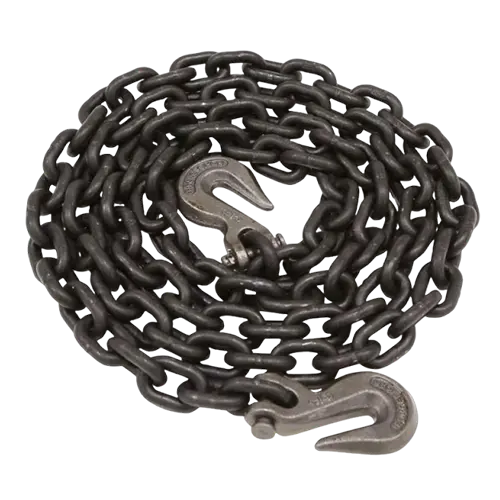








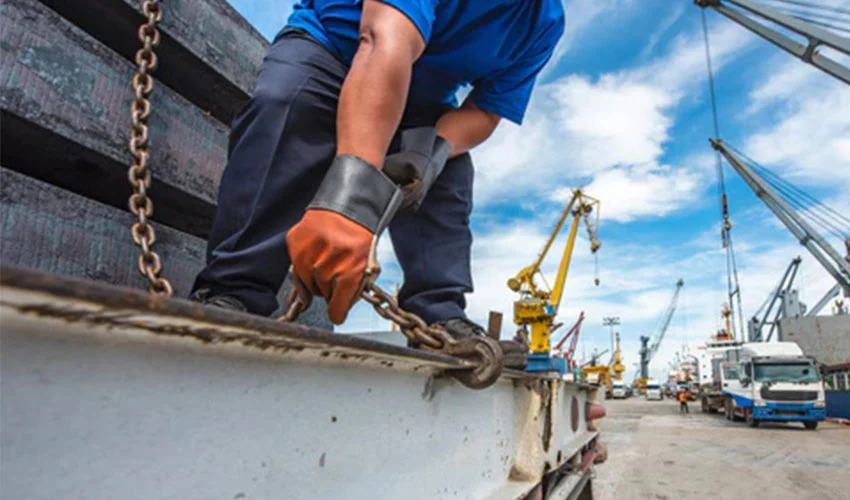
A binder can accept the nominal chain size and still be the wrong choice for a particular chain grade. Two real Force Rigging pairings show how to check compatibility, compare published working load limits and identify the information still missing from a finished tiedown.


Why the “5/16–3/8” label does not answer the whole question
A nominal size range tells a buyer which chain diameters to investigate. It does not, by itself, confirm every grade within that range. Force Rigging’s 5/16–3/8 in ratchet binder product page names two compatible combinations: 5/16 in Grade 70 transport chain and 3/8 in Grade 43 chain. Its published WLL is 5,400 lb.
That distinction matters when a purchase order only says “3/8 chain.” The listed 3/8 in pairing is Grade 43; the page does not list 3/8 in Grade 70 for that binder model. A buyer should request model-level confirmation before substituting a different grade, even when the nominal diameter appears to fit.
We would treat a chain-and-binder quote as incomplete until it states both diameter and grade. That is a specification decision, not a claim that we have tested every unlisted combination.
Two Grade 70 pairings, calculated from our published product data
The comparison below uses the WLL on each linked Force Rigging product page. The final column is a preliminary ceiling for the two named components, not an approved rating for a complete cargo securement system. U.S. rules also require the WLL of connectors, tensioner and anchor points to be considered.[1]
| Chain assembly | Ratchet binder | Published compatibility | Two-component WLL ceiling |
|---|---|---|---|
|
5/16 in Grade 70 chain 4,700 lb WLL; 20 ft; clevis grab hooks |
5/16–3/8 in ratchet binder 5,400 lb WLL |
Binder page explicitly lists 5/16 in Grade 70 chain. |
4,700 lb Chain is lower than binder. |
|
3/8 in Grade 70 chain 6,600 lb WLL; 20 ft; clevis grab hooks |
3/8–1/2 in ratchet binder 12,000 lb WLL; 6.5 in listed take-up |
Binder page lists 3/8 and 1/2 in sizes and use with Grade 70 transport chain. |
6,600 lb Chain is lower than binder. |
Worked example: the 5/16 in pair
The 5/16 in Grade 70 chain page lists 4,700 lb WLL. The compatible binder page lists 5,400 lb WLL. Comparing those two published ratings gives min(4,700, 5,400) = 4,700 lb. The binder’s extra 700 lb does not raise the chain’s WLL.
Original comparison based on the two linked Force Rigging product pages. The anchor point and remaining connections may reduce the final tiedown WLL.
The second row reveals another useful buying point: a 12,000 lb binder does not turn a 6,600 lb chain into a 12,000 lb tiedown. The 3/8 in Grade 70 chain is the lower published component in that pair. The larger binder’s product page also lists 6.5 in take-up; the smaller 5/16–3/8 in binder page does not give a take-up figure, so request it when the available adjustment travel matters.
Make the matching decision in four passes
- Identify the chain exactly. Record nominal diameter, grade, chain assembly WLL, length, end hooks and readable markings. Grade 70 and Grade 43 are different specifications even when the chain diameter is the same.
- Check model-specific binder compatibility. Read the binder’s permitted chain size and grade together. Do not approve a pairing from a product title or size range alone.
- Compare WLLs and trace the load path. Use the lower published WLL as a preliminary ceiling, then check the binder hooks, chain end fittings, cargo attachment and trailer anchor points. Under 49 CFR §393.108, the lowest applicable component or anchor WLL controls the tiedown.[1]
- Confirm usable geometry. Verify binder take-up, initial slack, hook seating, access for the handle and chain routing in the actual trailer setup. A rating comparison alone cannot prove that the hardware will fit or tension correctly.
For unmarked welded steel chain, the U.S. regulation treats the WLL as that of Grade 30 proof coil chain rather than assuming a higher grade. That makes readable chain identification part of the purchasing and inspection brief.[1]
What we need in a factory-ready chain-and-binder RFQ
Our service process starts with requirements analysis and specification confirmation. For chain-and-binder purchasing, we would ask for the application details below so the quotation identifies a complete proposed combination rather than a chain diameter alone.
| RFQ field | Provide this information | Decision it supports |
|---|---|---|
| Chain identification | Diameter, grade, WLL, assembly length and hook style | Checks the exact binder compatibility and rating. |
| Binder model | Requested type, marked WLL, compatible chain grades and sizes | Prevents a size-range label from replacing model-level verification. |
| Connection geometry | Photos or drawings of chain hooks, cargo points and trailer anchors | Allows the hook opening, seating and load path to be reviewed. |
| Adjustment travel | Available slack and required take-up in the proposed route | Checks whether the binder can reach usable tension. |
| Transport context | Cargo type and mass, trailer type, route/jurisdiction and securement method | Shows which operating and cargo-specific rules need separate review. |
| Supply details | Quantity, packaging, marking and documentation requirements | Turns the selected configuration into a usable purchase specification. |
For a repeated fleet order, we would also ask for the exact approved model numbers and a photo of the installed arrangement. Those details make it easier to keep replacement chains and binders aligned with the original specification.
Where this product comparison stops
FMCSA’s general cargo securement rule requires aggregate WLL of at least one-half the weight of the secured article or group of articles. The contribution of an individual tiedown depends on how it is routed. Minimum tiedown counts and commodity-specific requirements are additional checks.[2]
That means neither 4,700 lb nor 6,600 lb in the comparison table is a stand-alone answer to “How many chains do I need?” Those numbers describe the lower of two published component ratings. The completed tiedown, anchor points, routing, cargo and applicable rules still have to be evaluated for the actual move.
Buyer questions
Can I use any 3/8 in Grade 70 chain with a binder labeled 5/16–3/8 in?
No. The Force Rigging 5/16–3/8 in binder page specifically lists 5/16 in Grade 70 and 3/8 in Grade 43. Ask for model-level confirmation before pairing that binder with 3/8 in Grade 70 chain.
Does a higher-WLL binder increase the chain’s WLL?
No. A 5,400 lb binder does not raise the published 4,700 lb WLL of the 5/16 in Grade 70 chain. The lower-rated component, including the anchor point when applicable, controls the finished tiedown’s WLL under U.S. rules.
What if the chain has no readable grade mark?
Do not assume it is Grade 70. Under 49 CFR §393.108, welded steel chain without markings or a label identifying its grade or WLL is assigned the WLL of Grade 30 proof coil chain for cargo-securement purposes.