 Language

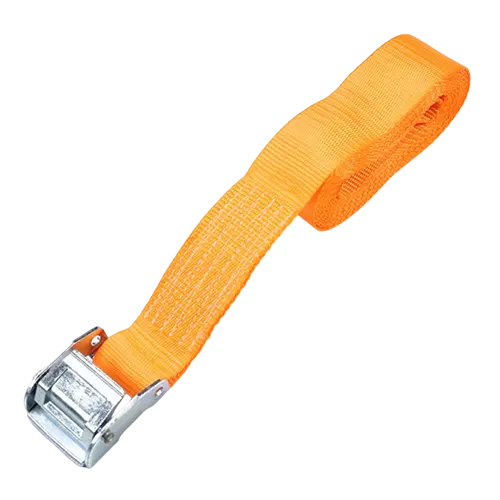
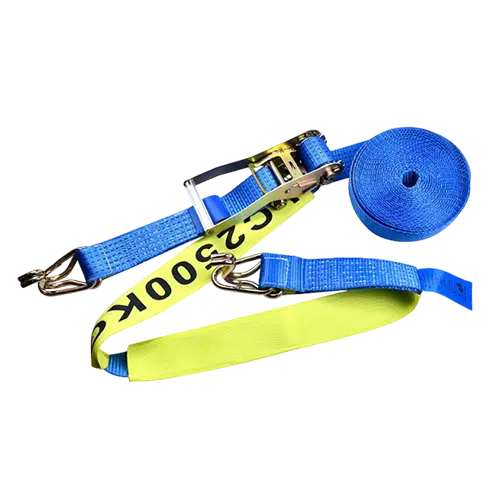
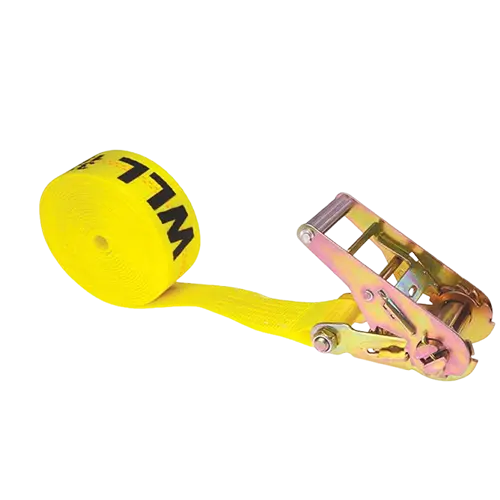
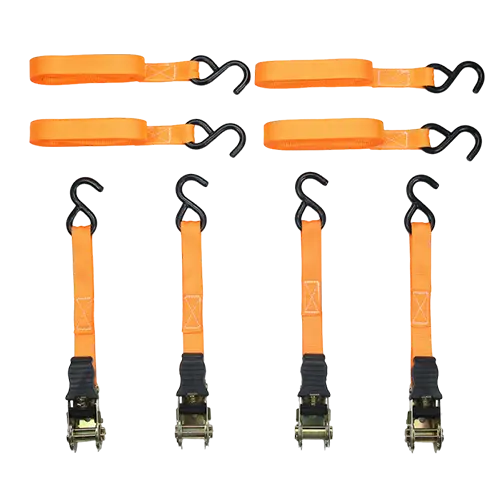
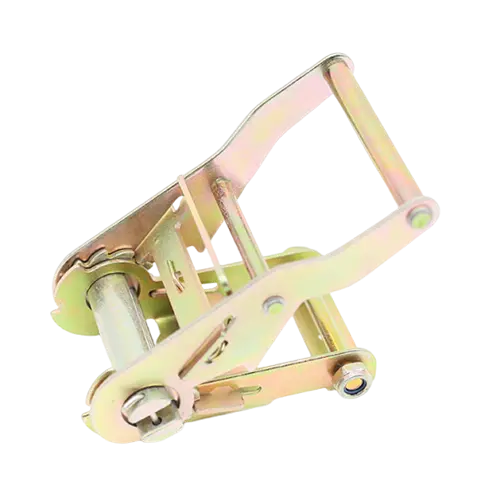
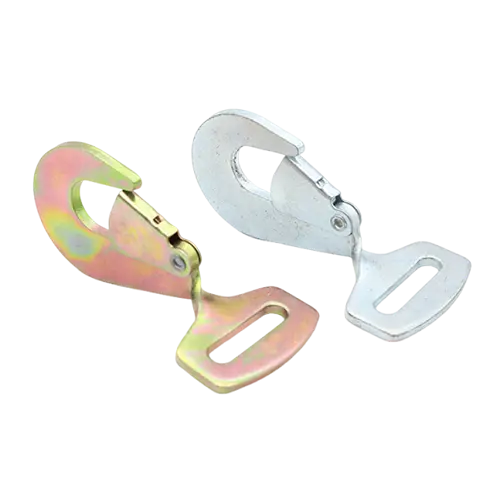
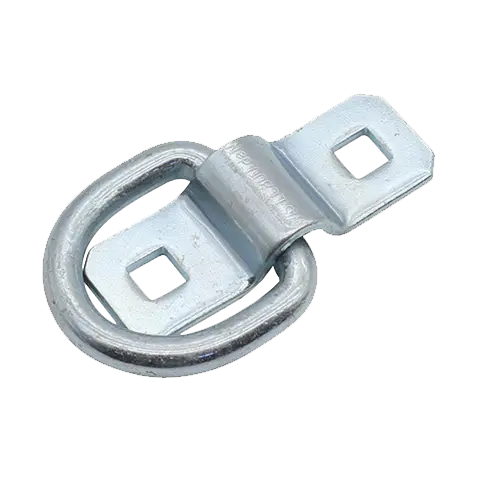
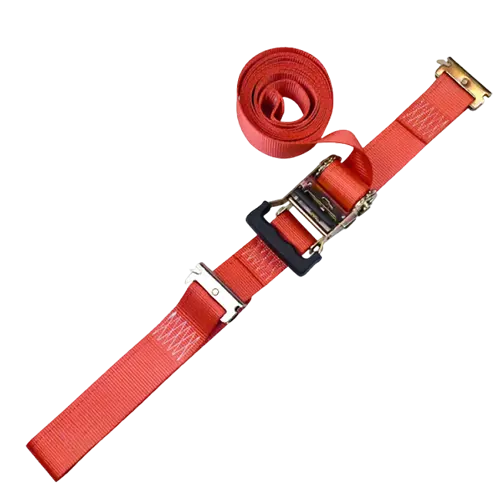
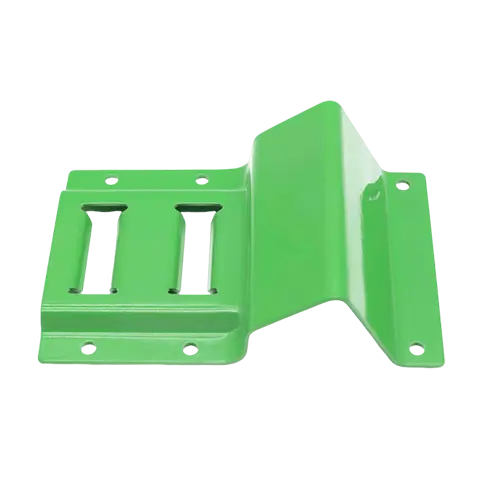
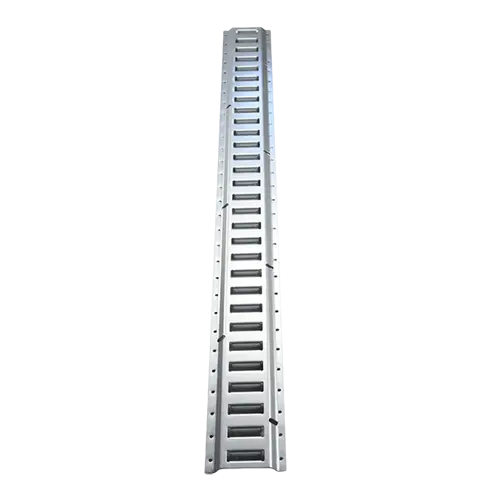




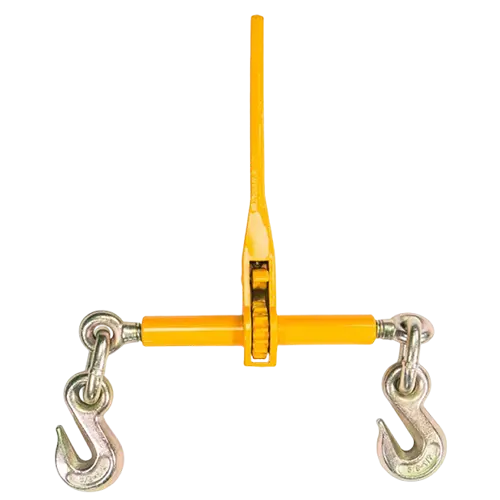
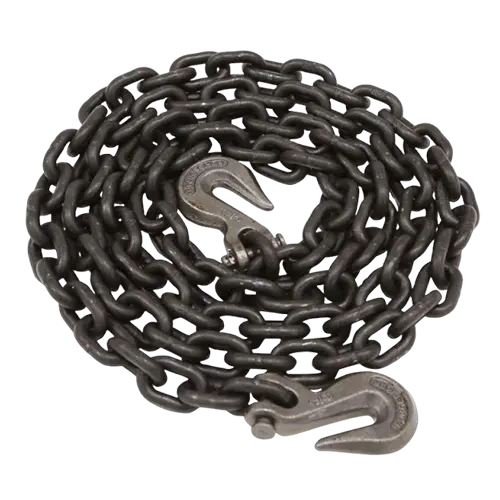






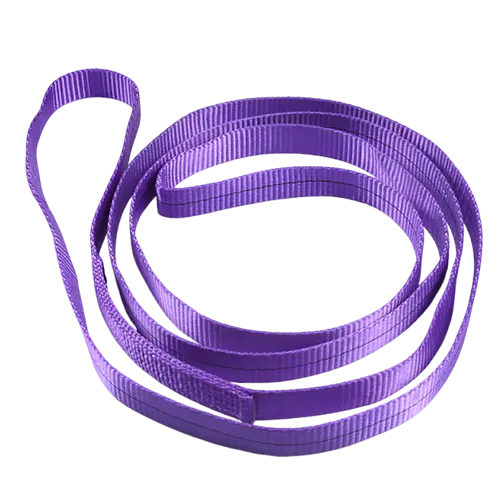
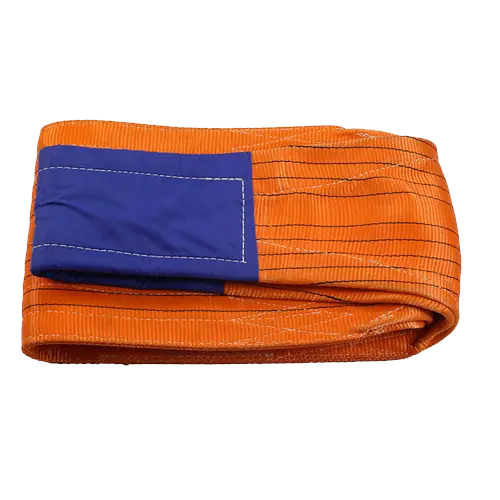
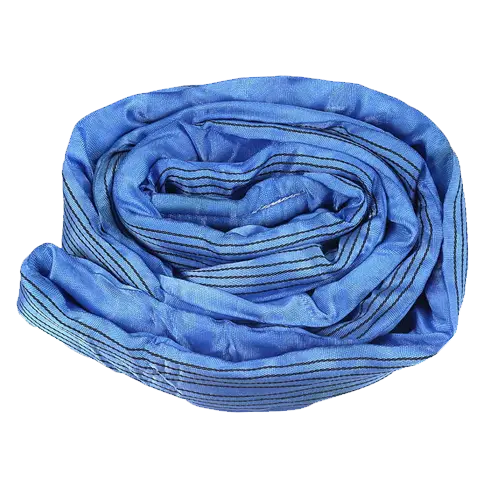
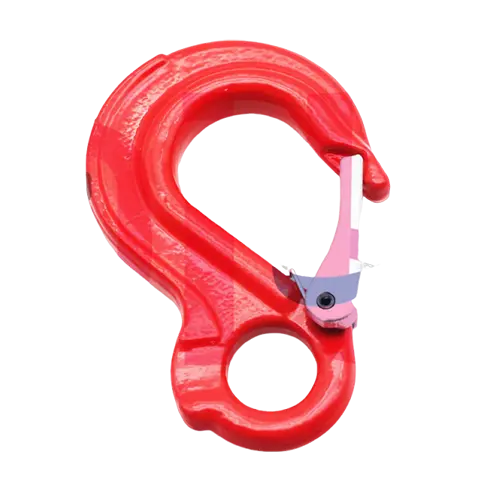




Choose E-track fittings from the connection you need to make: the rail on one side and the strap end on the other. Compare direct E-fittings, D-ring or O-ring adapters, then check dimensions, seating, operating clearance and the ratings of the actual configuration.
An E-track rail provides adjustable connection positions. It does not determine which hook, ring or strap assembly will suit every position. Start with the equipment you already have, including its model and end hardware.
A useful buying rule: identify the connection path first, check physical and operating compatibility next, then confirm ratings and installation conditions. A larger number on a strap label cannot correct a connection that does not seat properly.
| Hardware | Its job | Check before ordering |
|---|---|---|
| Fitting or connector | Connects specified interfaces. | Exact rail and end-hardware compatibility. |
| Ring adapter or tie-off | Provides a connection for suitable strap ends. | Hook seating, dimensions, rating and assembled reach. |
| Rail fasteners | Attach the rail to the specified supporting structure. | Mounting arrangement, materials and installation instructions. |
| Storage or protective accessory | Organizes equipment or protects specified contact areas. | Its stated purpose; a storage rating is not automatically a transport-restraint rating. |
Swipe horizontally to see all columns.
E-track fittings and connectors: choose your connection path
Integrated E-fittings on complete straps
A complete E-track strap incorporates track fittings into its assembly. Where the specified fitting and rail are compatible, it provides a direct connection without a separate ring adapter. Confirm usable reach and tensioner position as well as the fitting identity.
A loose spring fitting is a component, not a finished strap. Selecting it does not establish the webbing, sewing pattern or rating of a newly assembled tiedown. Order the complete specified assembly when that is what the application requires.
Ring adapters for suitable hook-ended straps
A ring adapter adds a second interface: its E-fitting connects to the rail, while the ring accepts suitable end hardware. This can make an existing hook-ended strap a candidate for the setup, provided the hook, ring, fitting and intended use are compatible.
Describe the adapter as part of the complete route. Buying an E-track anchor with a large ring does not settle whether the hook can seat, whether its gate can close where fitted, or whether surrounding parts leave room to operate it.
Webbing tie-offs and dual-fitting strap ends
A short webbing tie-off adds webbing and stitching between its track fitting and attachment ring. It therefore brings its own assembly rating, condition checks and working length. A metal ring fitting and a webbing rope tie-off are different configurations, even when both connect a hook-ended strap to E-track.
Some complete straps provide more than one type of end hardware. Identify which connection is being used and follow that configuration's instructions. Two available end-hardware types do not imply two load paths sharing the force or ratings that can be added together.
Swipe horizontally to follow each connection path.
E-track D-rings vs O-rings: what should you compare?
Removable track-mounted rings and fixed D-ring anchors
An E-track D-ring fitting combines a track interface with a D-shaped attachment ring. A fixed D-ring anchor attaches to the vehicle through its own mounting arrangement. Both may be called anchors, but the fitting beneath the ring and the structure carrying the load are different.
Record ring shape, base connection and mounting method separately. A fixed anchor does not become an E-track fitting because a hook fits its ring; a removable ring fitting still relies on a suitable rail installation.

Compare the opening and hook access
For D-rings and O-rings, check the usable opening, the ring material's cross-section and the hook's intended seating position. Also consider how the ring can move in its base and whether adjacent hardware restricts access.
A round opening and a D-shaped opening offer different geometries. Neither shape establishes a universal strength advantage. Compare the ratings and permitted configurations of the particular products.
Choose from the hook you need to connect
For an existing strap, identify its exact end fitting before choosing a ring. An S-hook, snap hook and wire hook do not present the same opening or contact geometry. Record any gate or latch and the space it needs, rather than assuming all hook-ended straps connect in the same way.
Check hook-and-ring dimensions and contact
For an E-track connection, I would check ring dimensions, hook seating and keeper clearance before comparing load ratings. A useful specification needs to identify which dimension was measured; a product described as “2-inch” does not, by itself, define the ring's clear opening, cross-section or compatible hook.
Measure the opening and the ring section separately
The clear opening describes space inside the ring. The ring section describes the material the hook must pass over and bear against. A ring can have a generous internal opening while its section is unsuitable for a particular hook opening or seating geometry.
The WSTDA safety bulletin requires fittings of suitable type, size and shape for their attachment points. That makes geometry a selection criterion alongside the working load limit, not a cosmetic detail.
Swipe horizontally to inspect all measurement labels.
Confirm contact, clearance and the rail-side interface
Check where the hook actually contacts the ring, whether it can seat as intended and whether a fitted gate can close without interference. Then check the rail-side fitting, including its base, keeper and surrounding clearance. These are two interfaces, and either can prevent the arrangement from working as intended.
| Record | Where to check | What it helps establish |
|---|---|---|
| Ring clear opening | Inside the actual ring profile. | Available internal space, distinct from outside size. |
| Ring section | Material at the proposed hook contact. | Whether the hook can pass and seat as specified. |
| Hook opening | The actual throat and entry route. | Entry clearance for this hook and ring. |
| Seating and gate | Contact position and gate movement, where fitted. | Proper seating without adjacent-part interference. |
| Rail-side fitting | Model, base, keeper and rail interface. | Specified compatibility and complete engagement. |
| Pull direction | The intended assembled route. | Whether the product's permitted direction applies. |
| Operating envelope | Keeper access, ring movement and handle space. | Whether the connection can be operated in its location. |
Swipe horizontally to see the checks and their purpose.
Send marked photographs with these measurements. A picture of the empty ring can show its shape; a picture of the intended connection helps reveal contact and access. Neither photograph alone establishes a load rating.
Check adapter reach and ratchet operating clearance
Measure the assembled route
An adapter occupies space between the rail and the strap end. Its useful contribution to reach depends on the actual arrangement and direction of pull. Do not add nominal ring, hook and strap lengths as though every part were a straight extension on the same axis.
Dry-fit the selected parts in their intended locations without cargo tension. Check fitting engagement, ring movement and keeper access. Where a short webbing tie-off is involved, identify how its working-length definition relates to the attachment points.
Locate the tensioner and its working space
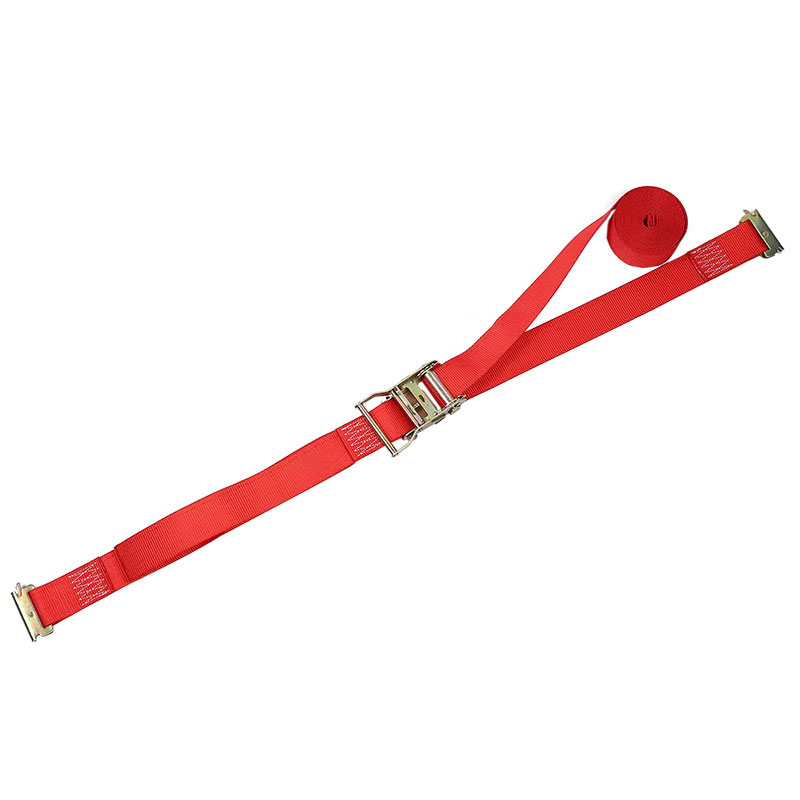
Our red 2-inch by 12-foot E-track ratchet strap lists a 4 ft fixed end. Use that field to investigate where the ratchet will sit in a direct connection. For a hook-ended strap used with an adapter, check that strap's own fixed-end dimensions and the complete assembled route.
I would settle the connection and ratchet position before comparing overall strap lengths. A connection can fit the slot yet place the handle against a cabinet, door or cargo surface. Leave access for the fitting's release control as well as the tensioner; resolve a clearance problem through a suitable configuration rather than modifying the hardware.
Swipe horizontally to compare the two routes.
Read the rating of the actual fitting and strap assembly
Keep component, assembly and webbing figures separate
Force Rigging lists its BT-ETS-006 O-ring fitting with a galvanized finish and a working load limit of 1,333 lb. That rating does not establish compatibility with every hook. Read the matching specification and marking for each selected product.
| Product | Listed WLL | What the figure describes |
|---|---|---|
| BT-ETS-006 O-ring fitting | 1,333 lb | The specified ring-fitting product, not an allowable cargo weight. |
| Red 2 in × 12 ft E-track ratchet strap | 1,467 lb | The complete strap assembly listed on its product page. |
| Blue 2 in × 12 ft dual-fitting ratchet strap | 1,000 lb | The listed complete assembly; not the sum of its available end-hardware types. |
Swipe horizontally to read each figure's scope.


Both strap pages list a 6,000 lb webbing breaking strength, yet their complete-assembly WLLs differ. The webbing figure is not the working rating of the strap, ring or mounted rail. Those figures also do not identify which component would fail first in an untested combination.
Check the remaining anchor and mounting limits
For covered U.S. commercial transport, 49 CFR 393.108(a) limits the tiedown by its lowest-rated component or the lower anchor-point rating. Installing a stronger strap therefore cannot increase the fitting's rating or correct an unsuitable connection.
Confirm the intended loading direction and the rail installation as well. A ring rating is not proof of mounting capacity, and adding connection points does not establish equal load sharing. Treat a component-rating comparison as one part of the securement review, not a cargo-weight calculation.
Check E-track clips, keepers and connection problems
Identify the fitting behind the word clip
Suppliers may use E-track clip to describe a spring fitting or a particular adapter product. Confirm the model and its locking mechanism rather than ordering by that name alone. Use its engagement and release instructions; do not assume every fitting locks by the same sliding or rotating movement.
A mismatched hook may pass through the ring but fail to seat correctly; interference around the fitting can also prevent complete keeper engagement. A click or a hand check may reveal an operating problem, but neither establishes a suitable rated configuration.
Resolve interference before adding tension
| Observation | Investigate | Next step |
|---|---|---|
| Fitting will not seat | Model compatibility, slot condition and base interference. | Confirm the correct parts and resolve the obstruction. |
| Keeper cannot engage fully | Debris, damage and clearance around the mechanism. | Follow the product's inspection and operating instructions. |
| Hook binds on the ring | Ring section, hook opening and actual contact position. | Review the interface rather than bending either part. |
| Gate is obstructed | Ring geometry and adjacent hardware. | Confirm a connection that allows its intended operation. |
| Ratchet handle is blocked | Assembled route, fixed end and nearby cargo or fittings. | Revise the configuration before loading. |
Swipe horizontally to see the checks and next steps.
Inspect condition without modifying the fitting
Inspect the complete strap and associated hardware according to their instructions, including identification, webbing, stitching, fittings and tensioner. Distortion, corrosion or damage calls for assessment under the applicable removal criteria. Do not bend a keeper, grind a slot or heat a hook to make incompatible parts connect.
Keep dimensional and operating checks separate from any required load evaluation. A sample fitting that engages during a dry fit has demonstrated that operation in that location; it has not established the capacity of the mounted system.
Match E-track accessories to restraint, storage or protection
A strap-end hook and a storage J-hook have different jobs

The BT-ETS-008 storage J-hook provides a place to hang equipment. It is not the same component as the wire or double-J hook at the end of a rated tiedown assembly.
Do not transfer a rating or application from one to the other because both names include J-hook. A storage load figure, where supplied, needs its own stated conditions; it is not automatically a cargo-restraint rating for travel.
Classify other rail accessories by their purpose
Tool holders and cargo organizers address storage. Beams and sockets may provide specified blocking or support functions. Covers and end caps address particular protective needs. Identify the actual accessory and its instructions before assigning it a role in the load arrangement.
For shelving or load bars, obtain the relevant support, span and installation information rather than borrowing a strap WLL. Keep these items on separate lines in the equipment list so storage convenience does not conceal an unresolved restraint requirement.
Build an E-track hardware compatibility checklist
Send identities and connection measurements together
For a purchasing review, I would begin with the rail and strap model numbers, photographs of their markings, and the proposed fitting. Include the ring and hook measurements, the intended pull direction, and photographs showing the actual seating and operating space.
- Identify: rail, complete strap, end hardware and any adapter.
- Measure: the relevant opening, section and clearance fields from the interface checklist.
- Locate: connection positions, fixed ends, tensioners and nearby obstructions.
- Document: product ratings, permitted configuration and installation information.
- Count: the parts needed for the actual arrangement, including suitable spares.
List rail fasteners and backing separately from removable E-track fittings. Packaging quantities do not determine how many restraints a load needs. If a supplier proposes a substitute, compare the complete connection and its documentation before accepting it on dimensions or price alone.
Compare lifecycle cost only after suitability is established
A galvanized finish alone also provides no basis for assigning a service-life multiplier. Lifecycle comparisons should include only configurations that already meet the application requirements. For example, an alternative costing 30% more per installed replacement would need more than 1.30 times the service life to reduce annualized replacement cost under equivalent duty, excluding financing, downtime and differences in maintenance costs. This is a break-even requirement, not a predicted durability improvement.
The purchasing decision is therefore whether the proposed configuration is suitable and whether its relevant cost or life advantage is supported. Paying more for an unresolved interface is not an engineering improvement.
E-track fittings and rings FAQs
Are E-track D-rings the same as fixed D-ring anchors?
No. A track-mounted D-ring connects through its specified track fitting and rail. A fixed D-ring uses its own vehicle mounting arrangement. Compare the complete base connection and installation, not just the ring shape.
How should I choose between an E-track D-ring and an O-ring?
Compare the actual opening, ring section, hook seating, movement and access, then check the product's rating and permitted use. Neither ring shape provides a universal strength advantage.
Can regular hook-ended ratchet straps connect to E-track?
Suitable hook-ended straps may connect through a compatible, appropriately rated ring fitting or tie-off. Confirm hook-to-ring fit, rail compatibility, reach and operating clearance for the actual configuration.
Can an S-hook be inserted directly into an E-track slot?
Do not assume a hook is an approved rail fitting because it passes through a slot. Use the connection specified for the hook and rail; a suitable adapter may be needed.
Are E-track fittings from different brands interchangeable?
Confirm the exact fitting and rail models against their compatibility and use instructions. Physical engagement alone does not establish the rating, permitted loading direction or suitability of a mixed-brand configuration.
Does a 2-inch product name specify the ring opening?
Not necessarily. Check the product's dimension definition and drawing. Ring opening, outside size, ring section and strap width are different measurements; the name alone does not specify them all.
What is the difference between an E-track fitting and a rail fastener?
A removable fitting connects specified cargo-control equipment to the rail. A rail fastener attaches the rail to its supporting structure. Each has a separate function and selection requirements.
Is a metal ring fitting the same as a webbing rope tie-off?
No. A webbing tie-off includes webbing and stitching as well as its attachment hardware. Check its complete assembly rating, condition and working length rather than treating it as a metal ring fitting.
Make the connection clear before placing the order
Keep the proposed route, component identities and interface measurements together. Use the linked product specifications to compare fields, then review the intended configuration with the relevant suppliers.
For Force Rigging E-track accessories, send your rail and strap details, end-hardware photographs and required operating space to joe@forcerigging.com, or call +86-18650363763.
Discuss your fitting configuration