 Language

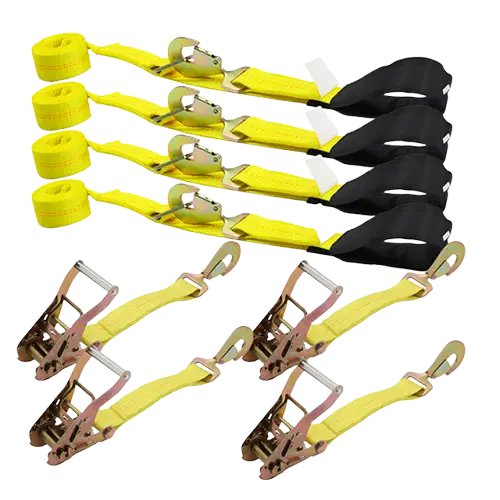
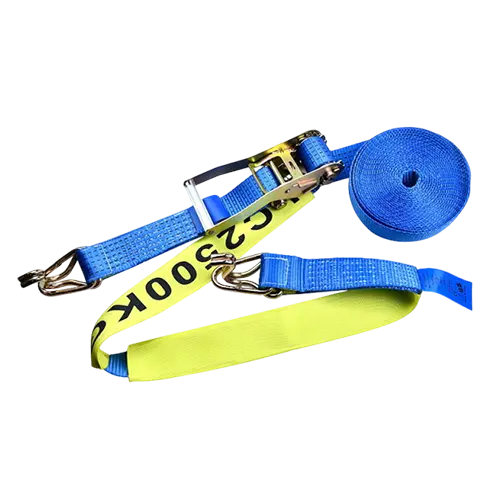
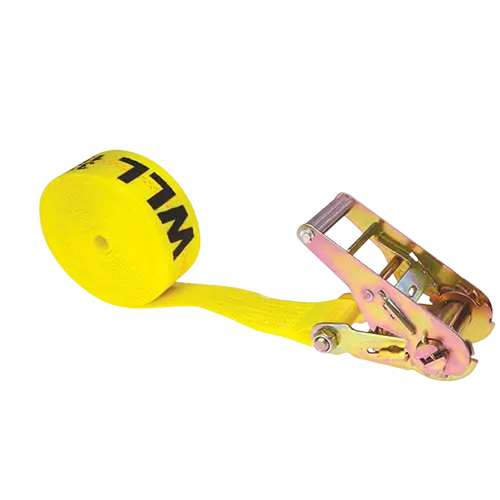
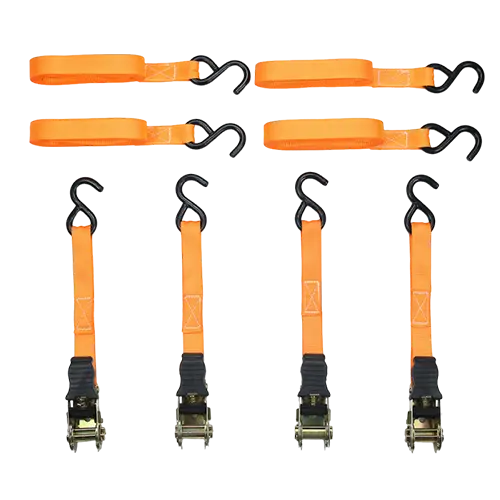
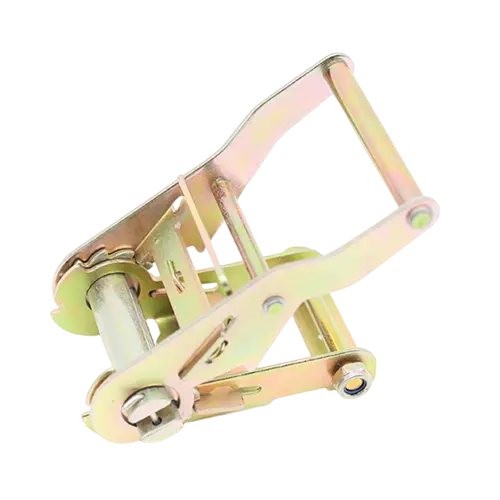
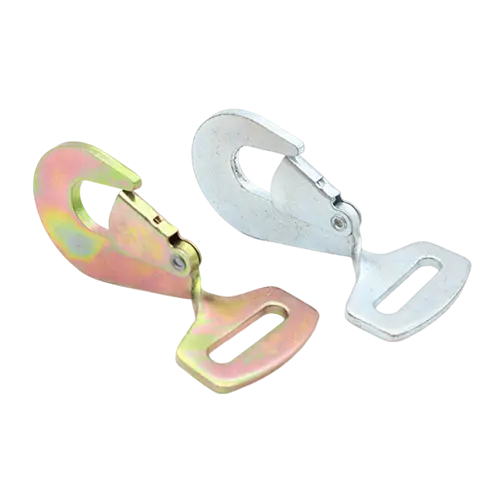
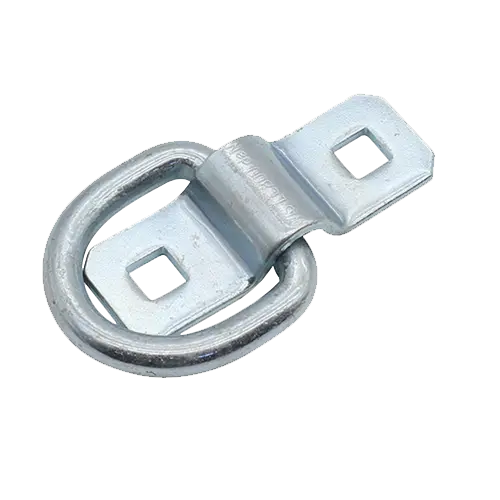













E-track does not have one universal weight capacity. The usable rating depends on the exact strap, fitting, rail connection and installation, including the supporting vehicle structure.
For a box truck, cargo van or enclosed trailer, start by identifying what the quoted number describes. A strap's working load limit is not the rail's capacity, and a rail's dimensions do not establish how much load an installed system can restrain.
Identify the rated object, whether the number is WLL or breaking strength, the permitted pull direction and the installation conditions. Then check the complete restraint path. More slots or more straps do not, by themselves, establish a higher installed-system capacity.
E-track working load limit vs breaking strength
What does working load limit mean for an E-track assembly?
Working load limit, or WLL, is the stated working-load rating for a specified component or assembly under its applicable conditions. It is not the point at which that item is expected to break. When a product lists both webbing strength and an assembly rating, keep those fields separate.

One strap, three different strength fields
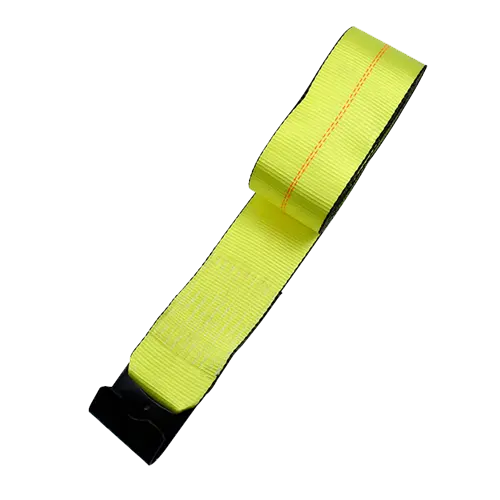
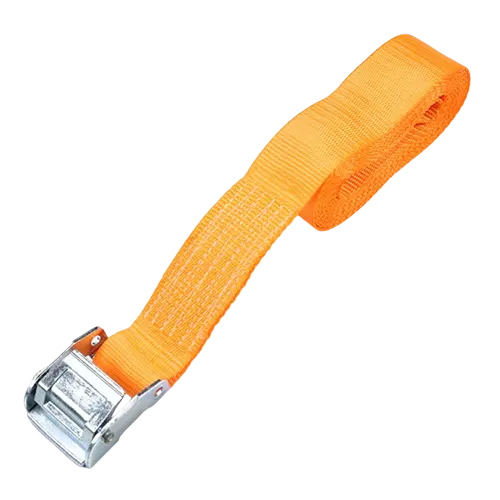
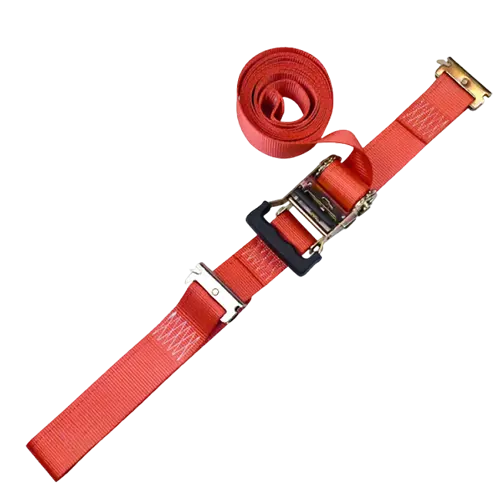
Our red 2-inch by 12-foot E-track cam buckle strap lists:
The 6,000 lb figure belongs to the webbing specification. It does not turn the complete strap into a 6,000 lb WLL assembly or give the rail that capacity.
A breaking-strength figure is not the permitted working load
Use the stated rating for the supplied configuration rather than calculating a new WLL from whichever breaking-strength number looks largest. Ratchets, cam buckles, hooks, E-fittings and webbing can belong to different rated assemblies.
A WLL also does not tell you how much tension an operator has applied. Tightening a strap harder cannot increase its rating, and the label does not specify how much compression a carton or furniture panel can tolerate. For broader purchasing fields, see our ratchet strap specifications buyer's guide.
Why E-track rails, anchors and straps have different limits
Follow the restraint path from the cargo to the vehicle. The strap assembly connects through a fitting to a rail slot; the rail then depends on its attachment and the supporting structure. Checking only one item leaves the rest of that path unresolved.
For U.S. commercial transport applications covered by the rule, 49 CFR 393.108(a) bases tiedown WLL on the lowest-rated component, including the tensioner, or the anchor-point WLL, whichever is lower. A higher-rated strap cannot raise the rating of a lower-rated anchor.
Check the rail connection and the supporting structure
E-track anchor points are part of an installation, not isolated slots in a photograph. Confirm the fitting and rail combination, its permitted loading and the installation it requires. Where several fittings use the same rail section, also check the supporting members they share.

Rail dimensions identify the product, not the installation capacity
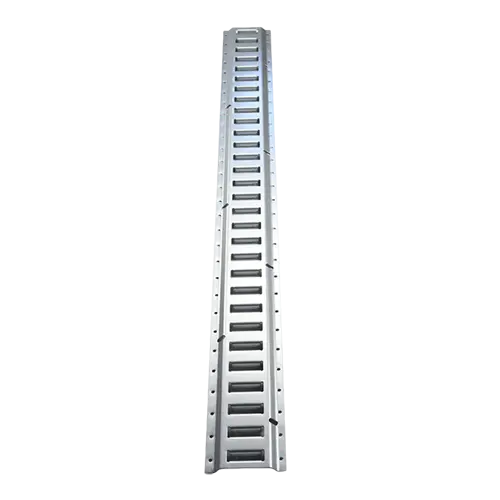
Our E-track tie-down rail lists a 5 ft length, 5¼ in width, steel construction, galvanized finish and horizontal type.
Those fields help identify the rail and plan space. To specify a usable installed rating, obtain the applicable fitting, loading and mounting information as well. Rail length multiplied by a strap rating is not a capacity calculation.
Check the conditions behind an E-track rating
A capacity figure is useful only when its conditions match the proposed setup. Keep these details with the number when comparing suppliers or approving an installation.
| Field | What to confirm | What it prevents |
|---|---|---|
| Rated object | The exact strap assembly, fitting, rail connection or installed arrangement. | Applying one component's number to the entire vehicle installation. |
| Rating type | WLL, breaking strength or another clearly defined test value. | Using a failure-related figure as the permitted working load. |
| Loading case | Pull direction, attachment position and single-point or simultaneous loading. | Assuming one tested direction covers every strap route. |
| Installation | Fasteners, backing, supporting material and the applicable mounting arrangement. | Transferring a rating to a different structure without checking it. |
Mounting hardware and backing plates need a specified installation
E-track mounting hardware must be considered with the rail and the structure it attaches to. A screw or bolt size on its own does not describe the supporting material, engagement or complete mounting arrangement.
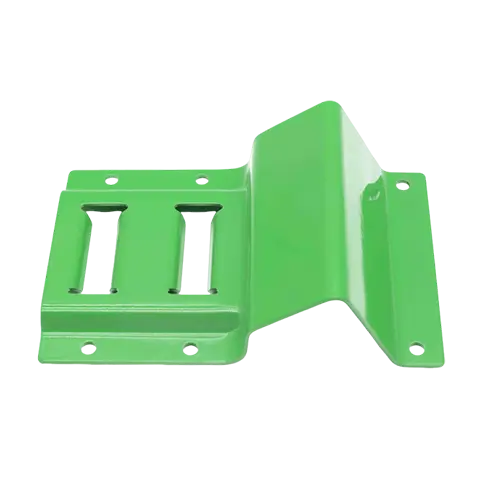
An E-track backing plate may be part of that arrangement, but adding a plate is not proof of a new capacity. Confirm the plate, fasteners and supporting structure together. The same applies to a proposal to add more screws: use the applicable installation instructions or engineering basis, rather than assigning a new rating by counting fasteners.
Verify direction and point-versus-distributed loading
A rating for one fitting at one position is not automatically a rating for several fittings loaded together. Likewise, a distributed-load figure does not establish how much load can act at a single slot.
Ask for a drawing showing the permitted pull direction and attachment arrangement. Do not substitute a generic angle-reduction percentage for product-specific information. Rail type, mounting surface and pull direction are separate details; the words "horizontal" and "vertical" do not describe all three.
How aggregate working load limit applies to E-track tie-downs
Aggregate working load limit is a tiedown accounting rule for a securement arrangement. It is not a new rating for an E-track rail, and it does not establish the strength of shared fasteners or vehicle structure.
For U.S. applications covered by 49 CFR 393.106(d), the contribution depends on where each tiedown starts and ends:
| Tiedown route | Contribution to aggregate WLL | For an 833 lb WLL tiedown |
|---|---|---|
| Vehicle anchor to an anchor on the cargo | One-half of the tiedown WLL. | 416.5 lb |
| Vehicle anchor, through/over/around cargo, back to the same vehicle side | One-half of the tiedown WLL. | 416.5 lb |
| Vehicle anchor, through/over/around cargo, to the opposite vehicle side | The full tiedown WLL. | 833 lb |
A two-strap example with the assumptions stated
Assume two complete tiedowns, each with an applicable WLL of 833 lb. Also assume that the fittings, anchors and installation are suitable and introduce no lower limit. The 833 lb value matches the listed cam buckle assembly above; the connection arrangements below are illustrative, not a tested vehicle installation.
With each tiedown running from the vehicle to a cargo anchor, the aggregate contribution is 2 × 833 × ½ = 833 lb. With each tiedown passing through, over or around the cargo to the opposite vehicle side, it is 2 × 833 = 1,666 lb. A route returning to the same vehicle side uses the half-WLL contribution instead.
The rule requires aggregate tiedown WLL of at least half the cargo weight for covered applications, but that is only one securement requirement. These calculations do not determine the permitted cargo weight for the whole setup. Minimum tiedown numbers, routing, blocking, load stability and applicable commodity-specific requirements must also be satisfied.
Why additional anchor points do not establish system capacity
The arithmetic above counts applicable tiedown ratings; it does not verify simultaneous loads on a rail. Adding another fitting may add another load into the same mounting and vehicle structure. Check that installation before treating the additional connection as usable capacity, and do not assume that nearby straps share load equally.
A factory checklist for verifying E-track capacity
From the factory specification side
Start with the rated configuration
My first question would be: "What exactly does this number rate?" I would keep the strap assembly, fitting, rail connection and installed arrangement on separate lines until their relationship is documented. The word "heavy duty" does not answer that question.
I would then ask for the proposed mounting and the strap routes. A photo of the vehicle interior helps identify the intended location, but it may not show the supporting member or the material behind a liner. Where those details affect the installation, I would request the vehicle or upfitter's information rather than select fasteners from the visible surface alone.
Finally, I would compare the proposed setup with the conditions attached to the rating. Changing the fitting, pull direction or support arrangement needs a fresh check. I would not approve a new configuration simply because an earlier installation looked similar or because the rail did not move during a hand pull.
For a useful supplier or upfitter inquiry, collect these records:
- Rail and fitting identification, with drawings or clear photographs of the actual connection.
- The complete strap specification and its applicable WLL, not just webbing strength.
- The intended pull direction, connection paths and any fittings loaded simultaneously.
- Mounting hardware, backing and vehicle support details for the proposed installation.
- The rating document, relevant installation instructions and any test or engineering basis supporting that arrangement.
A capacity-focused inquiry
"Please confirm the applicable rating for the rail and fitting configuration shown in the attached drawing. The drawing identifies the mounting surface, supporting members, proposed hardware and strap routes. Please state the permitted loading directions and whether the rating covers the simultaneous connections shown."
This gives the supplier a defined configuration to assess. A request for "a 5-foot heavy-duty E-track rail" identifies neither the complete restraint arrangement nor the installed rating required.
What to recheck before loading or changing the setup
An identified rating does not remove the need to check condition and engagement. For covered U.S. applications, 49 CFR 393.104 addresses damaged securement devices and the strength and condition of supporting structures and anchor points.
- Confirm that the supplied strap, fitting and rail match the specified configuration.
- Check fitting engagement and keeper operation according to the product instructions.
- Look for damage or changes at the rail slots, mounting points and supporting structure that could affect the restraint.
- Inspect webbing, stitching and hardware; follow the applicable removal-from-service instructions for damage.
- Recheck the rating conditions after changing anchors, mounting, connection direction or simultaneous loading.
If a connection is damaged or the mounting arrangement cannot be verified, resolve that issue before relying on the stated capacity. A hand pull or a push against the cargo is not evidence that an installation meets its rated load case. Do not improvise an overload test to establish a new rating.
Questions about E-track capacity
Is vertical E-track always stronger than horizontal E-track?
No general capacity ranking follows from those names alone. Compare the actual rail, fitting, loading direction and installation. Do not treat a rail-type description as a verified rating for every mounting surface or strap route.
Does a longer E-track rail have a higher working load limit?
Length alone does not establish WLL. A longer rail offers more potential fitting positions, but their usable capacity still depends on the rated connection and installation, including simultaneous loading.
Does adding a backing plate or more fasteners establish a higher capacity?
Not by itself. Those changes alter the installation and need appropriate supporting information. Do not assign a capacity increase without confirming the revised arrangement.
Does a strap's WLL tell me the total cargo weight I can carry?
No. Strap WLL, aggregate tiedown WLL, installed restraint capacity and vehicle payload are different checks. A strap label does not establish the vehicle's permitted payload or approve the complete cargo securement plan.
Specify the rating case, not just the rail length
Send Force Rigging the rail and fitting details, strap specification and intended mounting arrangement. Identify the loading directions and connections that need to be assessed so the discussion stays tied to the configuration you plan to use.
Discuss your E-track configuration