 Language

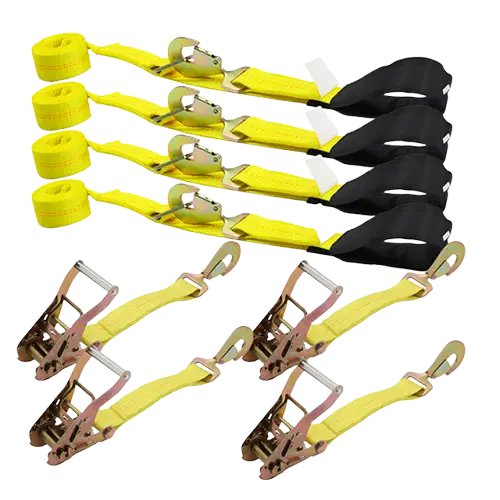
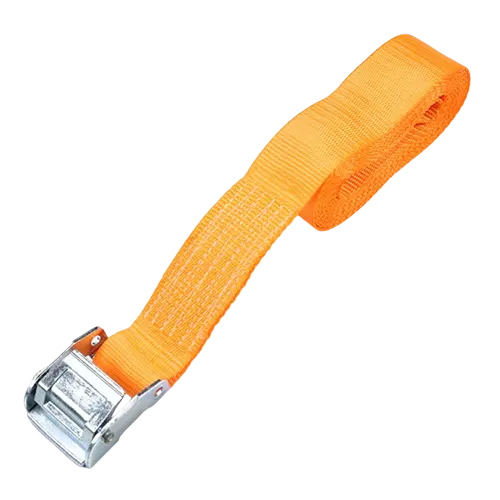
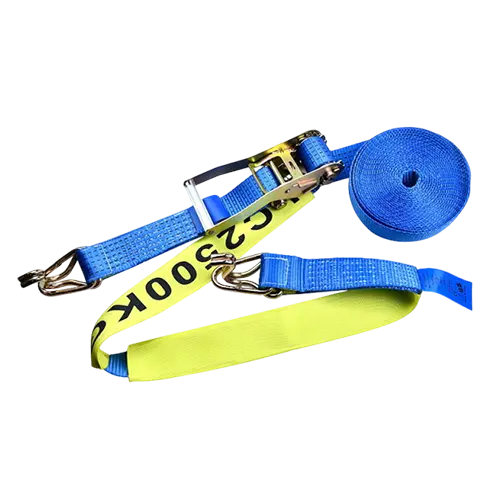
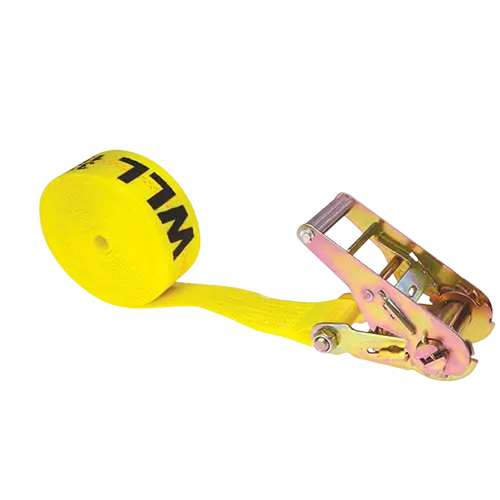
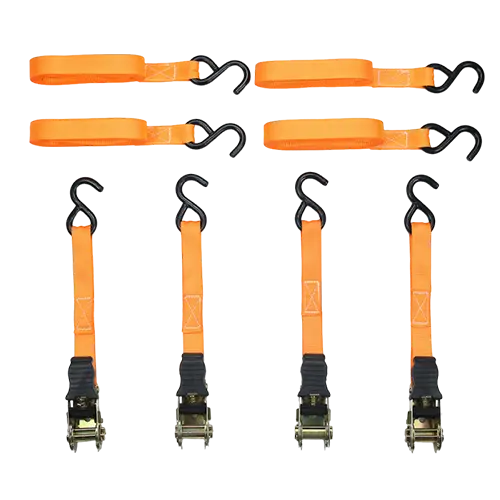
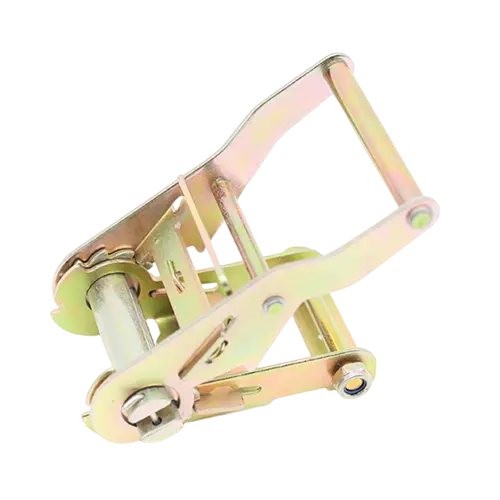
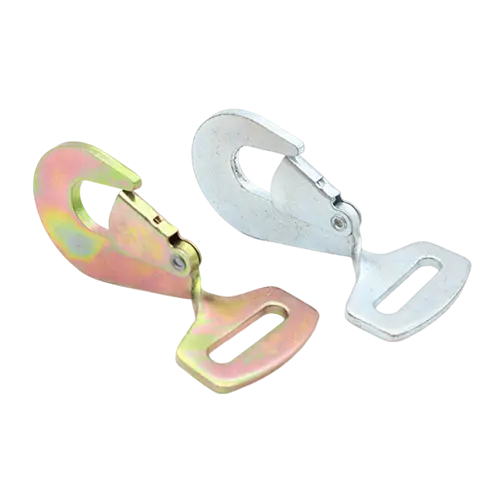
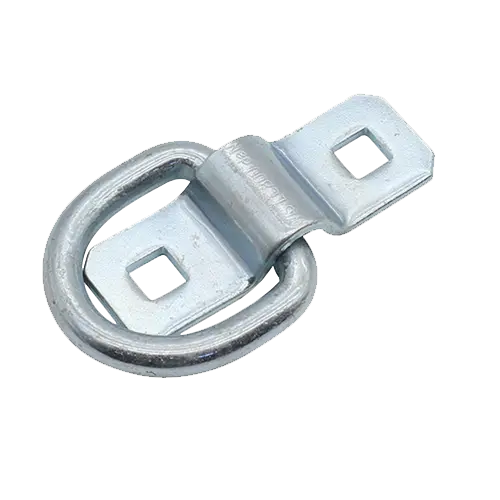
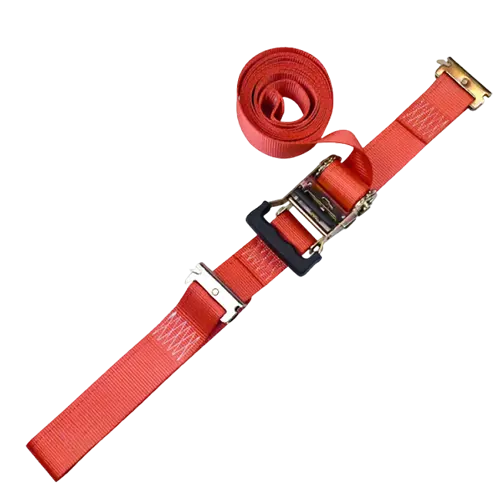
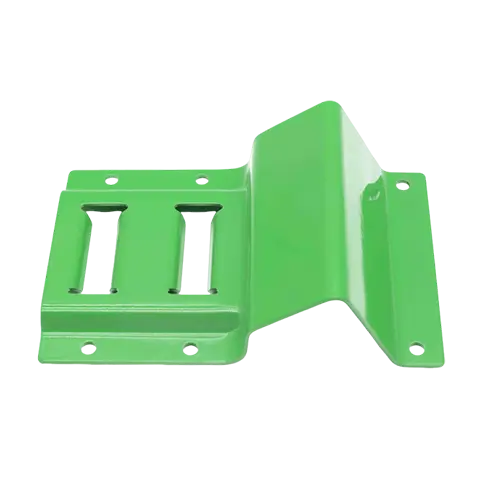
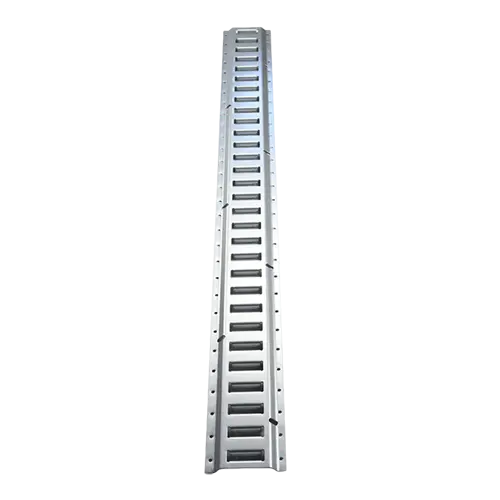




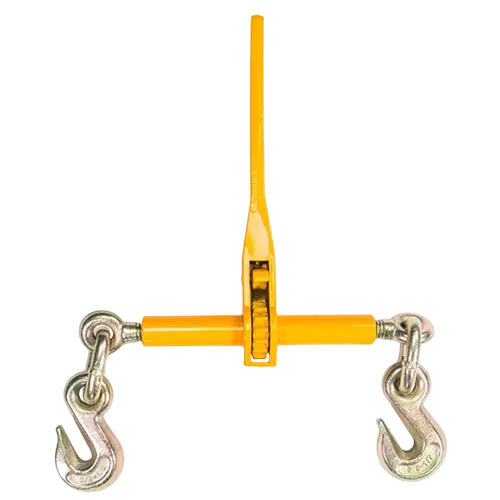








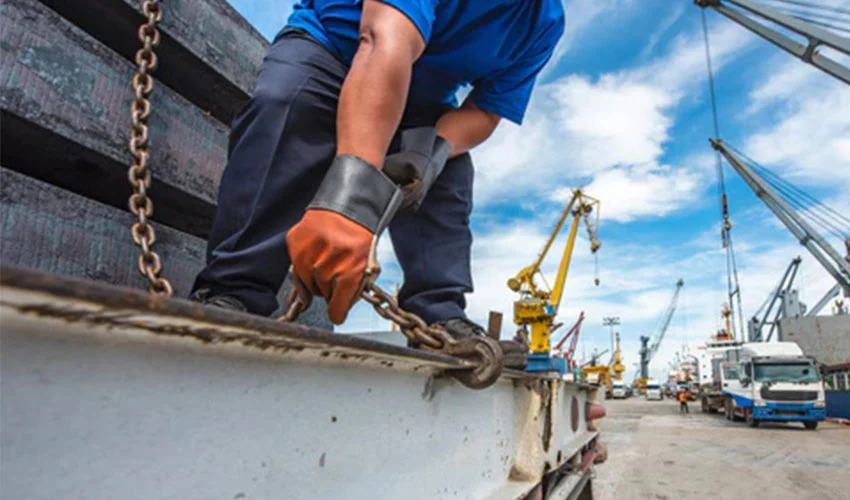
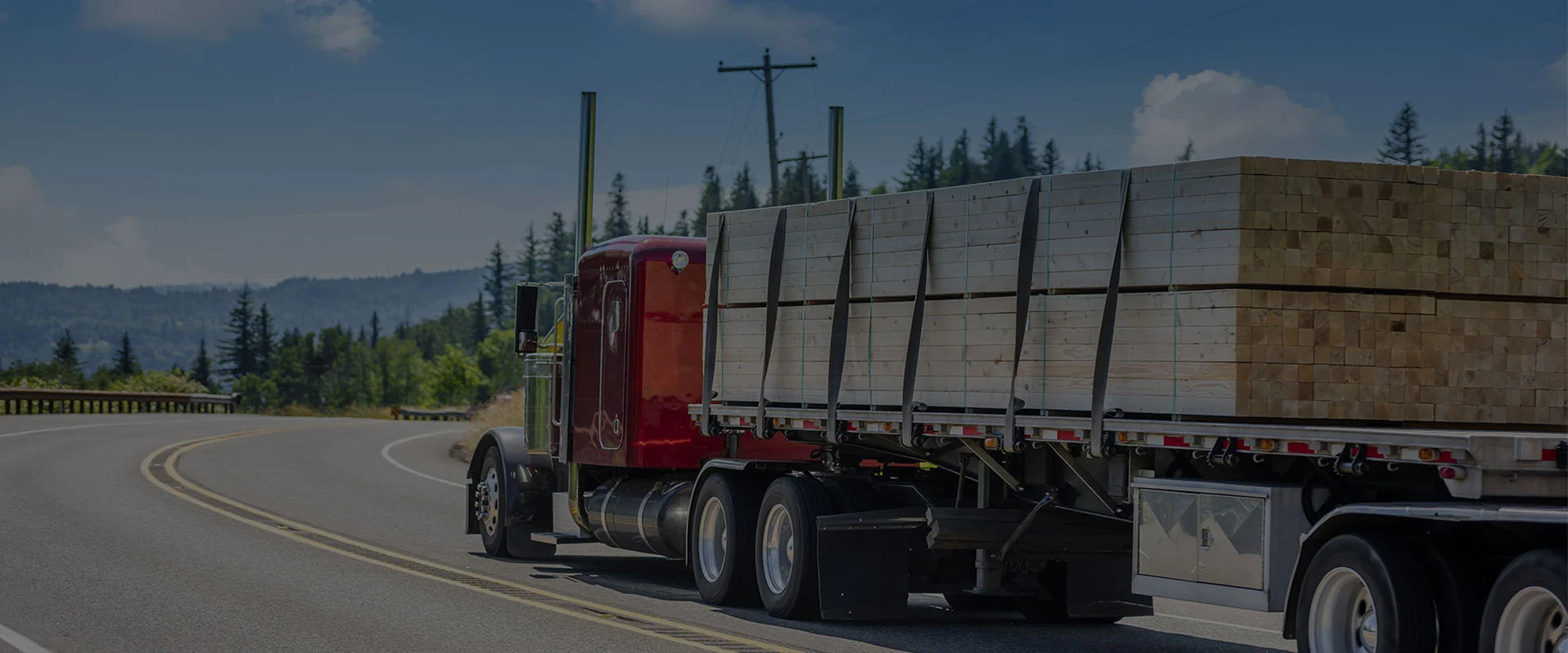
A ratchet strap should be specified as a complete cargo-securement assembly—not by webbing color or a large break-strength number. Buyers need to match the rated capacity, webbing width and length, tensioning hardware, end fittings, anchor points, operating conditions and destination-market requirements.

Read the rating language before comparing ratchet straps
The biggest number on a product page is not automatically the number a driver or fleet can apply in service. A strap may show a webbing break strength, an assembly break strength and a working rating. Those values describe different things.
| Term | What it tells the buyer | How to use it |
|---|---|---|
| Working load limit (WLL) | The maximum load assigned to a cargo-securement component for normal service. This is the language commonly used on North American tie-down products. | Use WLL when calculating the rated contribution of the tiedown under the applicable U.S. or Canadian securement rules. |
| Lashing capacity (LC) | The rated lashing capacity shown on web lashings produced for the EN 12195-2 system. | Use LC when the specification, label and buyer’s market are based on EN 12195-2. Do not silently convert LC into a North American WLL. |
| Assembly break strength | The force at which the complete new assembly is rated to break under the stated test basis. | Use it to understand the product’s design relationship—not as the allowable service load. |
| Webbing break strength | The breaking rating of the webbing itself before a weaker ratchet, hook, stitch pattern or connection is considered. | Never treat webbing strength as the rating of the complete strap assembly. |
Under U.S. cargo-securement rules, WLL is the maximum load that may be applied to a cargo-securement component during normal service, usually as assigned by the component manufacturer.[1] For European-market web lashings, BS EN 12195-2 covers reusable web lashings made from man-made fibres for securing goods on road vehicles and connected transport modes.[3]
This distinction matters in procurement. A listing that only says “10,000 lb strap” or “5-ton belt” leaves an important question unanswered: is that figure the assembly break strength, webbing strength, WLL or LC? A usable quotation should label every rating and state whether it applies to the webbing or the complete assembly.
Calculate the required securement capacity—then check the rest of the rule
Under the general U.S. rule summarized by FMCSA, the aggregate WLL of the securement system must be at least one-half the weight of the cargo being secured. How each tiedown contributes depends on its routing: a tiedown running from one vehicle anchor point, over or around the cargo, and back to another vehicle anchor point contributes its full WLL; a tiedown running from a vehicle anchor to an attachment point on the cargo contributes one-half of its WLL.
Simple U.S. calculation example
A 10,000 lb article requires at least 5,000 lb of aggregate WLL under this general calculation. If two tiedowns each have a 3,333 lb WLL and each runs over the cargo from one vehicle anchor point to another, their aggregate WLL is 6,666 lb.
Passing that calculation does not finish the job. The carrier must still comply with rules governing the minimum number of tiedowns, cargo length, blocking and bracing, secure attachment, and any commodity-specific requirements. The cargo, vehicle structure, anchor points and every securement component also need to be suitable for the application.
FMCSA also requires tiedowns to be secured against loosening or releasing in transit. Where a tiedown touches an edge that could abrade or cut it, suitable edge protection must resist abrasion, cutting and crushing.[1] Force Rigging’s corner protector range includes plastic, V-board and steel options for different strap, cargo and chain contact conditions.
Compare specifications at assembly level, not by width alone
Strap width is a useful starting point, but it does not determine capacity by itself. Webbing construction, ratchet geometry, stitching, end fittings and the completed assembly all affect the final rating. The three Force Rigging products below show why buyers should compare the full specification table.
| Product example | Rating system | Published capacity | Length and fittings | Best-fit buying question |
|---|---|---|---|---|
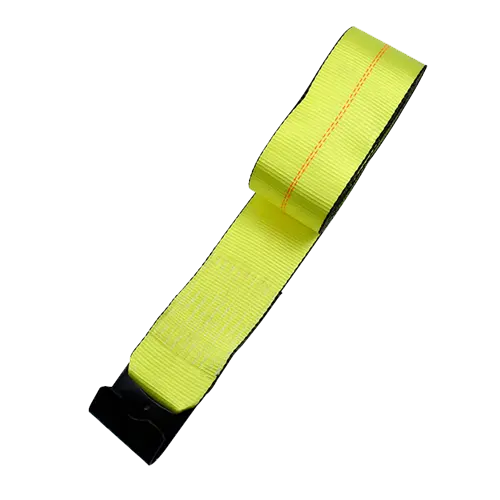
| 2 in × 27 ft yellow ratchet strap | North American WLL | 3,333 lb WLL; 10,000 lb assembly break strength; 12,000 lb webbing break strength | 27 ft overall; 1 ft fixed end; wire/double-J hooks | Will the hooks fit the trailer’s D-rings or narrow anchor points, and is the 27 ft length appropriate for the load? |
| 50 mm green ratchet strap | EN 12195-2 / LC | 2,500 kg LC; 5,000 kg assembly minimum breaking force; 7,500 kg webbing break strength | 2–20 m options; wire/double-J hooks | Does the label, length, hook and LC match the buyer’s European-market specification? |
| 2 in × 12 ft E-track ratchet strap | North American WLL | 1,000 lb WLL; 3,000 lb assembly break strength; 6,000 lb webbing break strength | 12 ft overall; 4 ft fixed end; spring E-fittings plus wire hooks | Does the vehicle use E-track rail, D-rings, or both—and is a ratchet suitable for the cargo? |
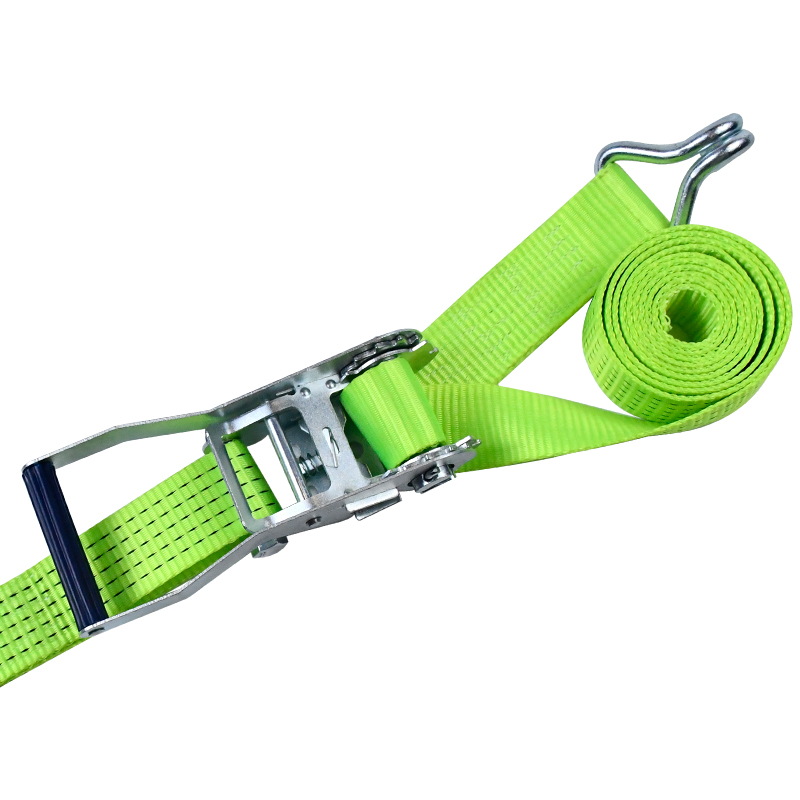
These examples are not interchangeable. The 2-inch US strap and the 50 mm European strap are close in physical width, yet their labels and rating language serve different purchasing and compliance systems. The E-track assembly is also 2 inches wide, but its published WLL is lower and its end-fitting arrangement is designed around enclosed-trailer track and D-ring connections.
Match the hook to the anchor point—not the other way around
A high-capacity strap is a poor specification if the end fitting cannot seat correctly on the vehicle. The hook throat, connection angle, keeper design, contact area and anchor rating all matter. The complete system is limited by its weakest rated component.
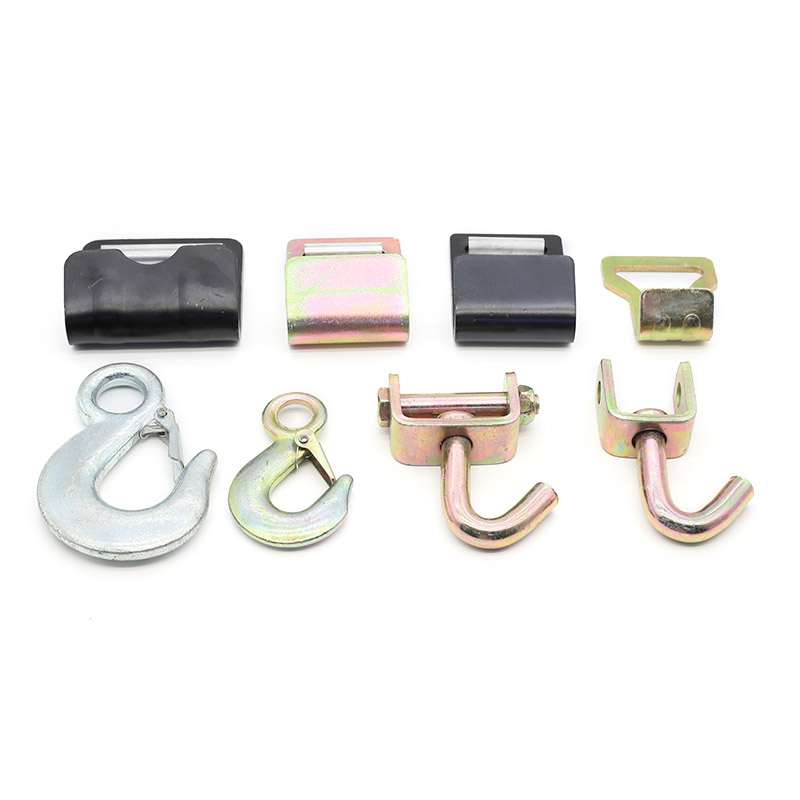
| End fitting | Typical connection | What the buyer should confirm |
|---|---|---|
| Wire hook / double-J hook | D-rings and narrow anchor points | Hook opening, wire diameter, connection angle, coating and anchor-point rating |
| Flat hook | Flatbed rub rails or compatible flat anchor edges | Rail geometry, full seating and protection against sharp contact surfaces |
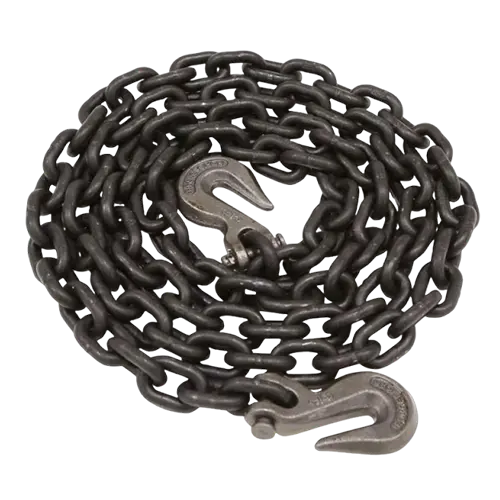
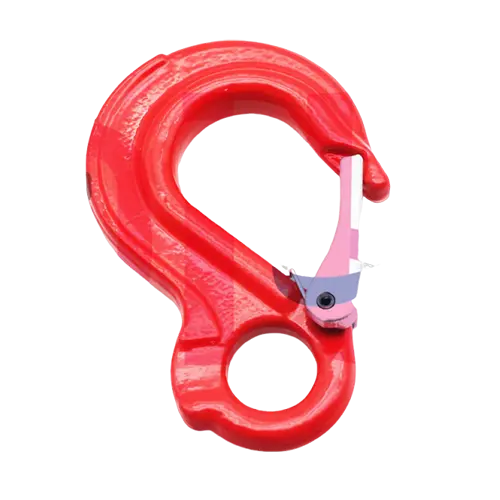
| Chain extension with grab hook | Stake pockets, rub rails and chain-compatible anchor arrangements | Chain grade and size, hook compatibility, assembly rating and metal-to-webbing transition |
| S-hook or snap hook | Compatible rings, rails or light-duty anchor points | Whether a keeper is required and whether the hook can remain seated as tension and angle change |
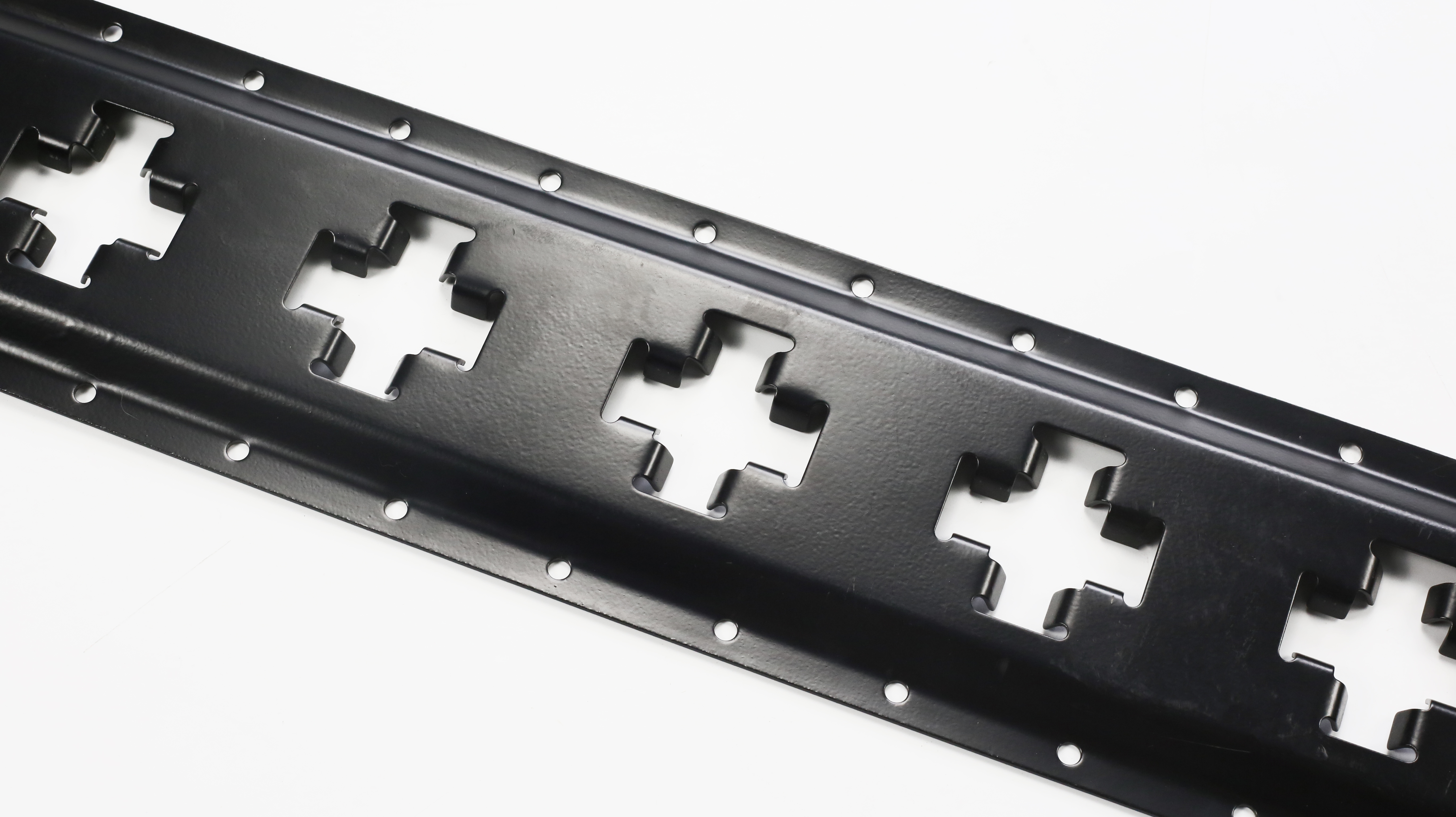
| Spring E-fitting | Horizontal or vertical E-track | Track type, installation, fitting engagement and the rating of the complete track-to-strap system |

Buyers building an assembly from separate parts should review the available tie-down hardware, including ratchet buckles, hooks and D-rings. Ask for the completed assembly rating rather than assuming that the rating of one component applies to the finished strap.
Length, fixed-end geometry and operating conditions change the specification
Two straps with the same width and WLL can behave very differently in daily work. An excessively long strap leaves more webbing to manage and wind onto the ratchet mandrel. A fixed end that is too short can place the ratchet against the cargo edge or below the operator’s reach. A fixed end that is too long may position the ratchet where it is difficult to tension or inspect.
Before requesting a quotation, record:
- Overall length and fixed-end length: measured from the actual vehicle and load arrangement, not copied from a previous order.
- Webbing width and material: tied to the required completed-assembly rating and operating environment.
- Ratchet handle: standard, wide, long, coated or another agreed configuration based on access and operator needs.
- End fittings: selected from the real anchor-point geometry and rated as part of the complete assembly.
- Surface finish: chosen for the expected moisture, road salt and corrosion exposure.
- Edge conditions: including the correct corner or edge protector where cutting, abrasion or crushing can occur.
- Marking and traceability: market-required label information, rated capacity, product identity and any buyer-specific branding.
A factory-ready RFQ starts with the load and vehicle
From a manufacturing standpoint, “50 mm green ratchet strap” is not a complete specification. The same webbing width can be assembled with different ratchets, hooks, lengths, stitch patterns and rating systems. A useful RFQ begins with the application and converts it into controlled product fields.
| RFQ field | Information to provide | Why the factory needs it |
|---|---|---|
| Market and rating language | Country/region, WLL or LC, applicable standard and required label language | Controls the specification format, marking and supporting documents |
| Cargo and vehicle | Cargo type, weight, dimensions, trailer/van type and transport environment | Defines the application rather than guessing from strap width |
| Capacity | Required assembly WLL or LC, plus any specified design/test requirements | Guides component and assembly selection |
| Dimensions | Webbing width, overall length and fixed-end length | Positions the ratchet correctly and avoids excess or insufficient webbing |
| Connections | Hook/fitting type, anchor dimensions, photos or drawings | Prevents an otherwise strong strap from being incompatible with the vehicle |
| Commercial configuration | Quantity, packaging, color, logo/marking and sample requirements | Allows an accurate production and quotation plan |
Force Rigging’s manufacturing flow includes punching, weaving, dyeing, cutting, sewing and tensile-testing equipment. Its custom service process covers specification review, material and accessory selection, samples, production monitoring, quality checks, packaging and shipment. Giving the factory the six RFQ fields above makes that process faster and reduces avoidable revisions.
Inspect the webbing, hardware and label as one assembly
Selection is only the first control. The Web Sling & Tie Down Association identifies WSTDA-T-1 Synthetic Web Tie Downs as its recommended standard covering construction, identification, capacity information, selection, use, maintenance and inspection for nylon or polyester web tie-downs.[2] A practical inspection should treat the strap as a system.
| Inspection point | Look for | Action |
|---|---|---|
| Webbing | Cuts, edge wear, melted or glazed fibres, chemical damage, severe abrasion or damaged stitching | Remove the assembly from service when damage affects safe use; do not knot the webbing as a repair. |
| Ratchet | Bent frame, damaged teeth or pawl, cracks, heavy corrosion, poor engagement or difficult release | Do not force a damaged mechanism into service. Replace or evaluate it under the responsible inspection procedure. |
| Hooks and fittings | Deformation, cracks, worn contact surfaces, damaged keepers, corrosion or poor seating | Confirm that the fitting still connects fully and that no damaged component limits the assembly. |
| Label and identification | Readable rating, product identity and required traceability information | Follow the applicable company, manufacturer and market rules when the assembly cannot be identified. |
| Contact points | Sharp edges, abrasive surfaces and places where the protector can crush or move | Use correctly sized edge protection and verify its position during the journey as required. |
Use this ratchet strap sourcing checklist
- State the destination market and the exact rating language required: WLL, LC, or another approved specification.
- Provide the cargo, vehicle, anchor-point geometry and intended routing.
- Request the rating of the complete assembly, not only the webbing or ratchet.
- Confirm overall length, fixed-end length, webbing width, handle and end fittings.
- Ask for a sample or drawing when the anchor connection or packaging is customized.
- Review the label, traceability, test or conformity documents required for the exact model and market.
- Check how the supplier controls raw materials, stitching, hardware, assembly testing and final inspection.
Buyers can review the full tie-down strap range or send the application details to Force Rigging for a specification review. For loads better suited to metal securement, evaluate transport chain and load binders instead of forcing a web strap into the wrong application.
Authoritative references
Frequently asked questions
What does WLL mean on a ratchet strap?
WLL means working load limit. In U.S. cargo-securement terminology, it is the maximum load assigned to a component for normal service. Buyers should use the WLL of the completed ratchet strap assembly for securement calculations—not the higher break strength of the webbing alone.
Is ratchet strap break strength the same as working load limit?
No. Break strength describes a failure threshold under the stated test basis, while WLL is the rated maximum for normal service. A strap can also have different webbing and assembly break-strength values because the complete assembly includes the ratchet, stitching and end fittings.
How much aggregate WLL is required to secure cargo in the United States?
FMCSA’s general rule requires the aggregate WLL of the securement system to be at least one-half the weight of the secured article or group of articles. Tiedown routing changes how much of each WLL counts, and additional rules cover tiedown quantity, cargo length, blocking, bracing and specific commodities.
Which ratchet strap hook type should a buyer choose?
Choose the hook from the actual anchor point. Wire or double-J hooks often suit D-rings and narrow points; flat hooks suit compatible rub rails; chain extensions connect to suitable chain or stake-pocket arrangements; and spring E-fittings connect to E-track. Confirm geometry and ratings for the full connection.
Can ratchet straps be customized for wholesale orders?
Yes. Force Rigging offers specification review for dimensions, rated strength, color, function, materials, end fittings, samples, marking and packaging. A buyer should provide the market, application, anchor details, required WLL or LC, overall and fixed-end lengths, quantity and documentation requirements.