Securing cargo safely is a critical part of transportation, and understanding the role of a Load Binder is essential for logistics professionals and drivers alike. This article explores the different types of load binders, their applications, safety considerations, and maintenance tips. Whether you are a seasoned operator or new to cargo transport, this comprehensive guide by Force provides actionable insights to ensure cargo safety, comply with industry standards, and optimize load handling efficiency.
What is a Load Binder?
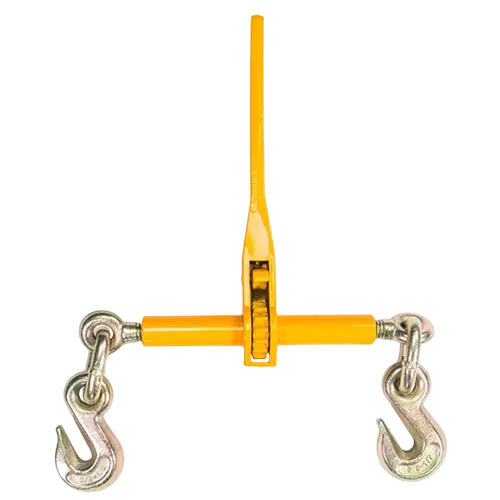
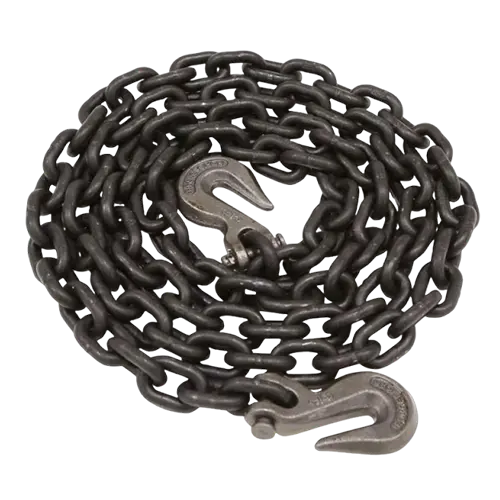
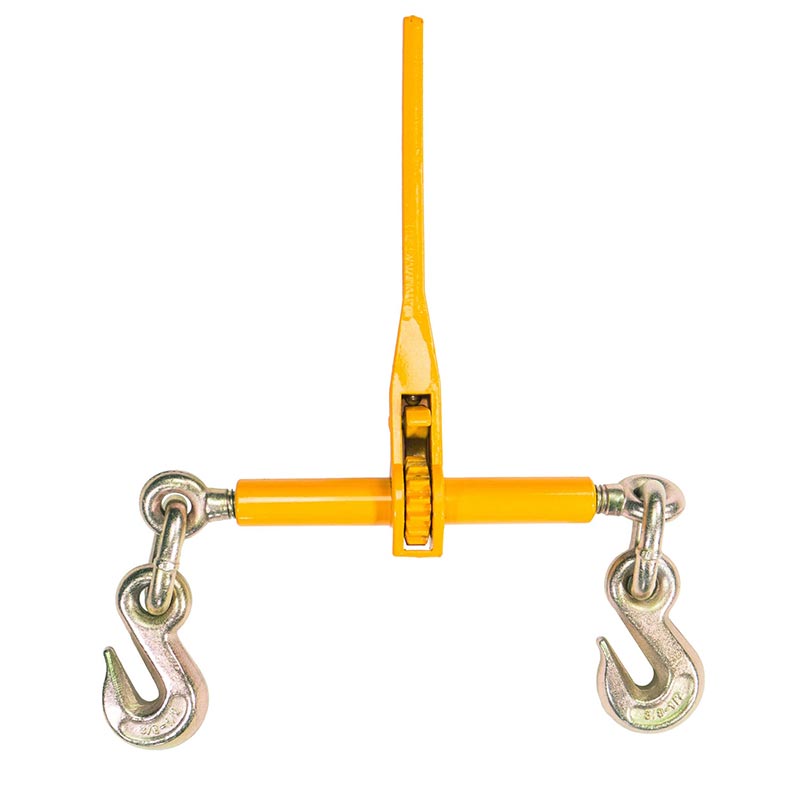
A Load Binder is a mechanical device used to tighten chains securing cargo on trucks, trailers, and flatbeds. It ensures that loads remain firmly in place during transit, preventing shifting that could lead to accidents or damaged goods. Typically made from high-strength steel, load binders are designed to withstand heavy loads and extreme conditions.
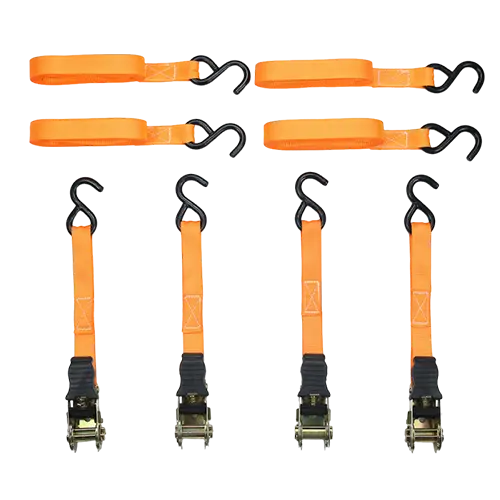
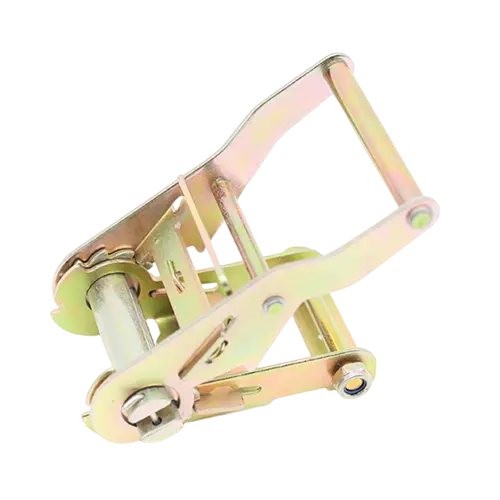
There are two main types of load binders: lever binders and ratchet binders. Both function to apply tension to chains but differ in operation and safety mechanisms. Lever binders are quicker to operate, whereas ratchet binders provide more controlled tensioning, reducing the risk of sudden release.
Types of Load Binders
Selecting the appropriate load binder is crucial for safety and efficiency. Below are the main types:
-
Lever Load Binder: Simple, fast, but requires strength and caution during release.
-
Ratchet Load Binder: Allows gradual tightening, minimizing risk of injury.
-
Cam Load Binder: Uses a cam mechanism for securing lighter loads.
Each type has specific use cases. For example, heavy machinery transport often favors ratchet binders for precise tensioning, while short-distance shipments may utilize lever binders for speed.
Applications of Load Binders
Load Binders are widely used in multiple industries where cargo safety is paramount. Common applications include:
-
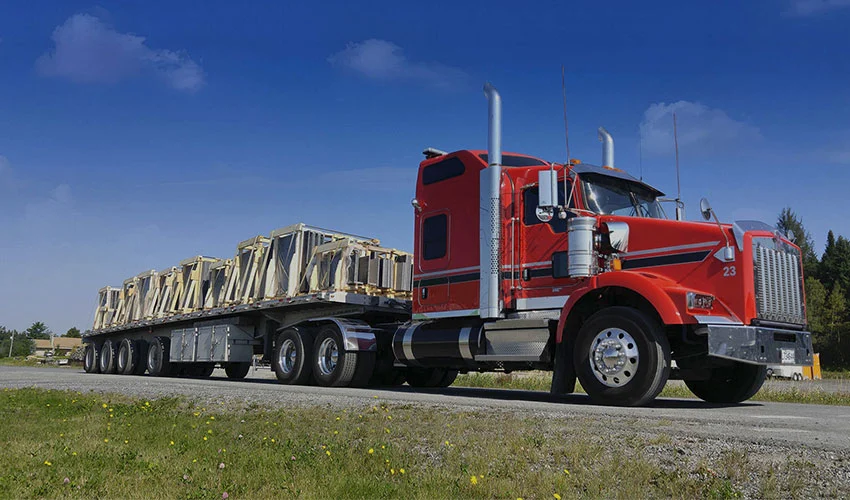
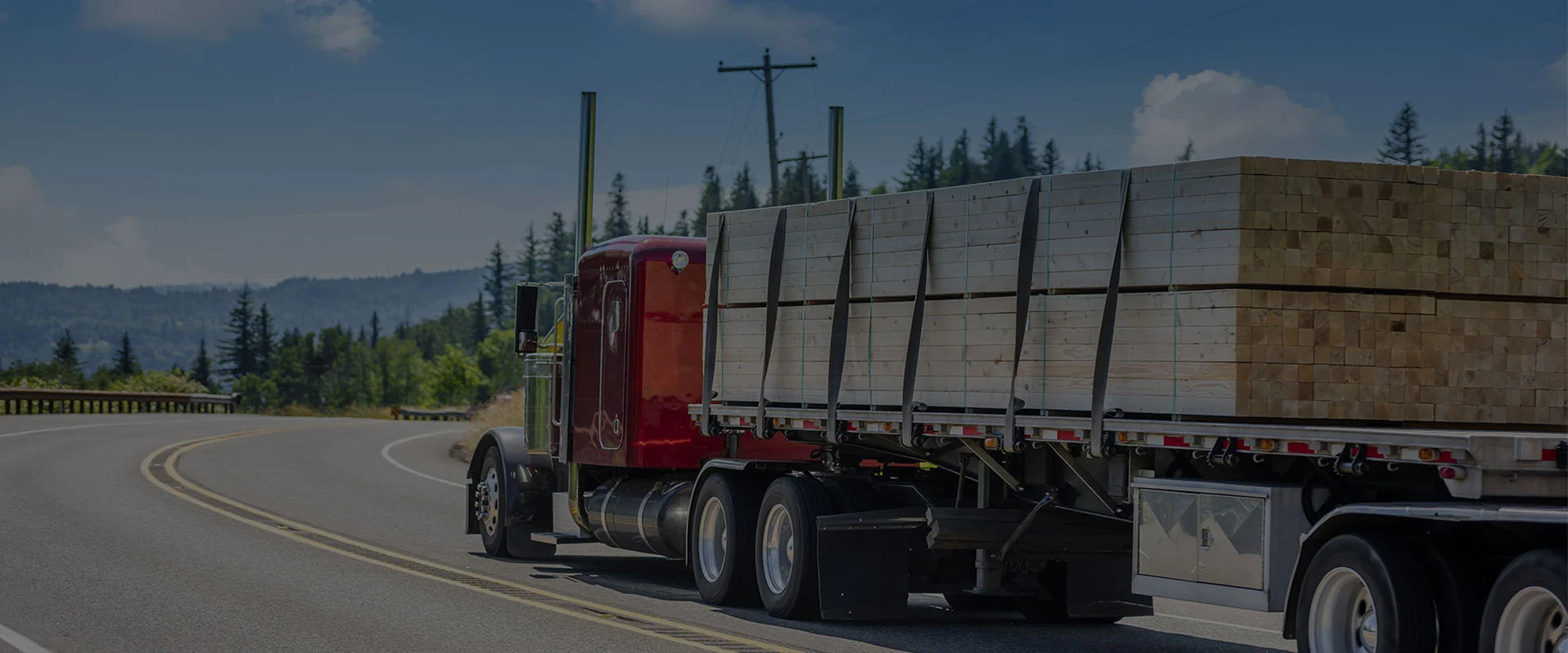
Flatbed trucking for construction materials, lumber, and machinery.
-
Transporting shipping containers.
-
Securing agricultural equipment and large loads on trailers.
-
Military logistics for heavy vehicles and equipment.
By using load binders correctly, companies like Force ensure compliance with transport regulations and significantly reduce the risk of cargo-related incidents.
Load Binder Safety Tips
Safety is paramount when using a Load Binder. Here are key guidelines:
-
Always inspect the binder and chains for wear or damage before use.
-
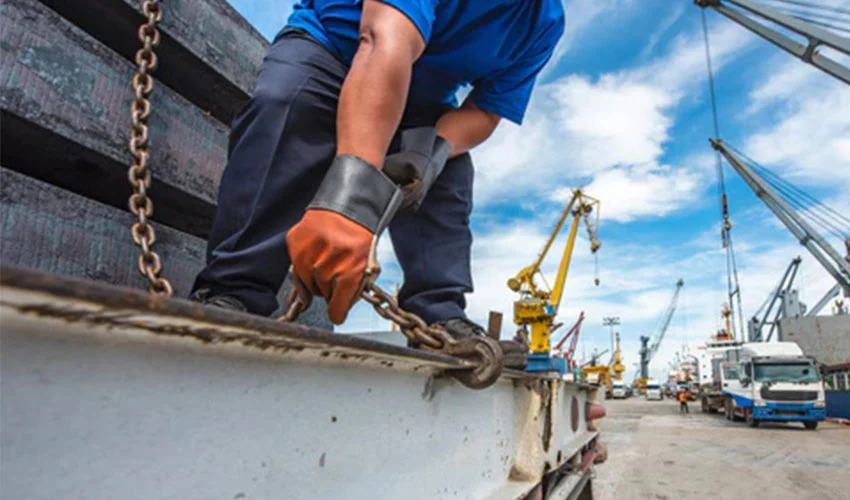
Wear protective gloves and safety glasses when tightening or releasing binders.
-
Ensure the binder is rated for the load's weight.
-
Do not stand directly in the path of a binder under tension.
-
Follow manufacturer instructions and training guidelines.
Proper training and adherence to safety standards prevent accidents and ensure long-term durability of the equipment.
Maintaining Your Load Binder
Maintenance is critical for load binder longevity and performance. Follow these steps:
-
Regularly clean binders to remove dirt, rust, and debris.
-
Lubricate moving parts to ensure smooth operation.
-
Store binders in a dry environment to prevent corrosion.
-
Replace worn chains and hooks immediately.
-
Perform periodic inspections for cracks or deformities.
Companies such as Force emphasize maintenance protocols to guarantee that every Load Binder remains reliable for demanding transport conditions.
Load Binder Comparison Table
|
Type
|
Advantages
|
Disadvantages
|
Typical Use
|
|
Lever Load Binder
|
Quick operation, strong hold
|
High risk of sudden release, requires strength
|
Short-distance, heavy loads
|
|
Ratchet Load Binder
|
Controlled tension, safer release
|
Slower operation
|
Long-distance, sensitive cargo
|
|
Cam Load Binder
|
Lightweight, easy to use
|
Not for very heavy loads
|
Small trailers, lightweight cargo
|
Frequently Asked Questions
1. What weight capacity should a Load Binder have?
Always select a load binder rated above the total weight of the cargo to ensure safety. Most ratchet binders range from 5,400 lbs to 10,800 lbs.
2. Can I use a lever binder for long-distance transport?
While lever binders can be used, ratchet binders are recommended for long-distance hauls due to controlled tensioning and reduced accident risk.
3. How often should I inspect my load binder?
Inspect before every use. Monthly in-depth inspections are recommended for binders under frequent heavy use.
4. Can a load binder be used with synthetic straps?
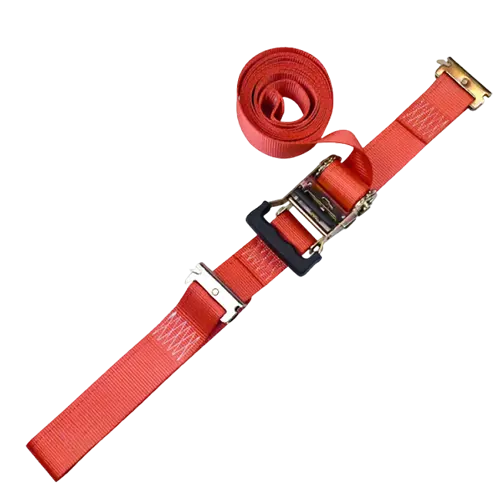
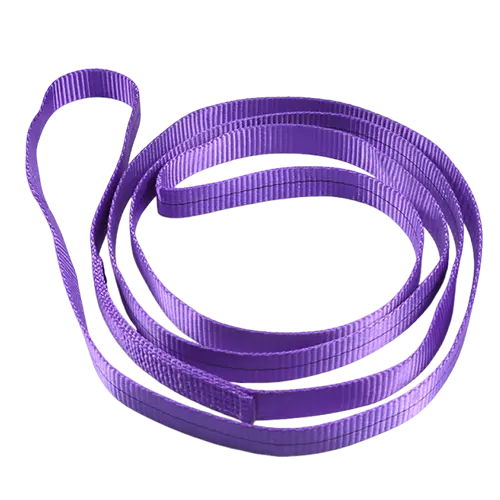
No, load binders are designed for chains. Synthetic straps require ratchet strap systems or other tensioning devices.
5. How do I safely release a lever binder under tension?
Use gloves, stand to the side, and release slowly to avoid sudden recoil, which can cause injuries.
Conclusion
A Load Binder is an indispensable tool for anyone involved in cargo transport. From understanding the types and applications to implementing safety tips and regular maintenance, the proper use of load binders ensures cargo security, compliance, and operational efficiency. Companies like Force continue to set industry standards by offering high-quality load binders that cater to various transport needs. For further information, product inquiries, or guidance on selecting the right load binder, contact us today and ensure your cargo is always transported safely and efficiently.

 Language