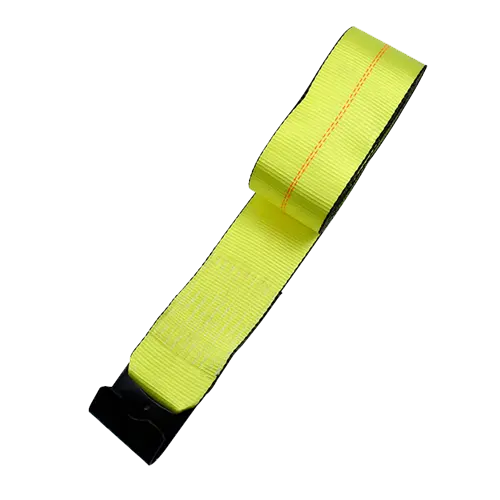
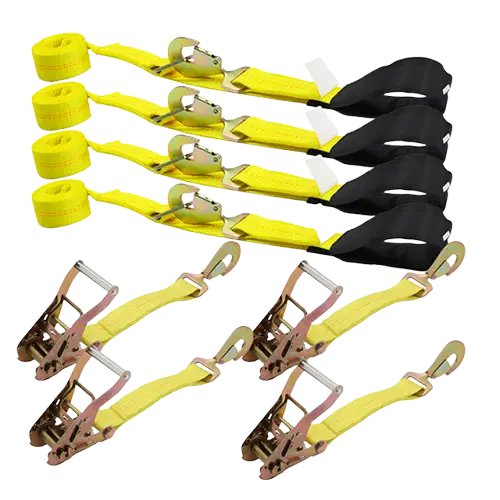
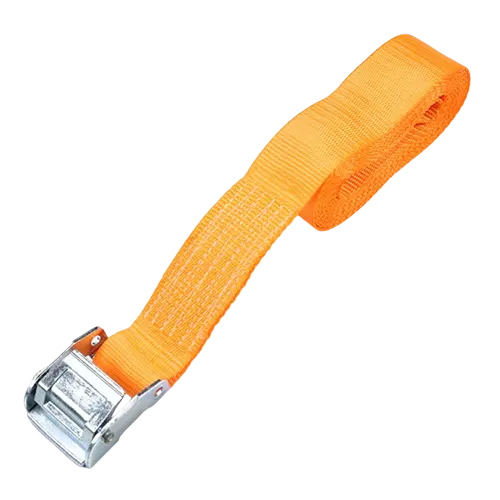
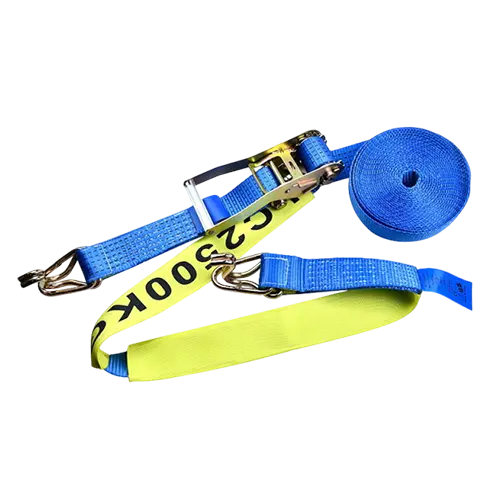
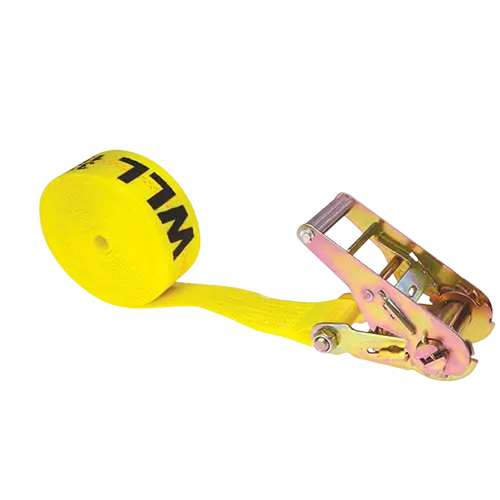
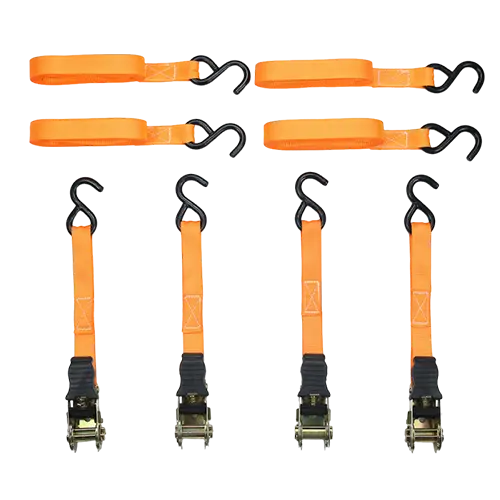
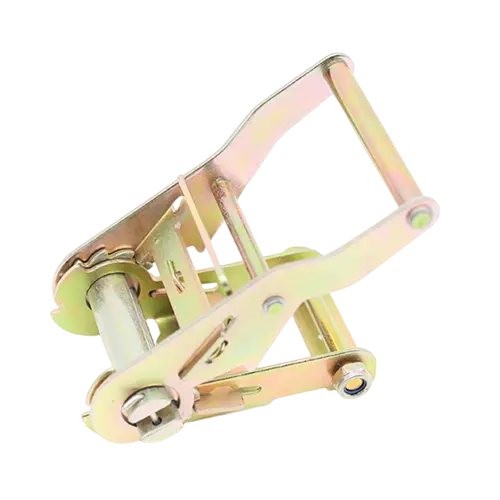
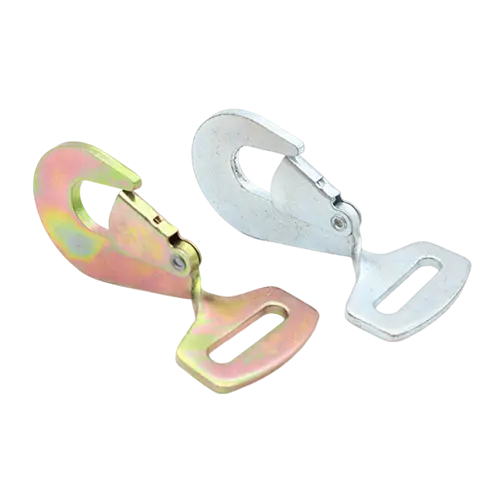
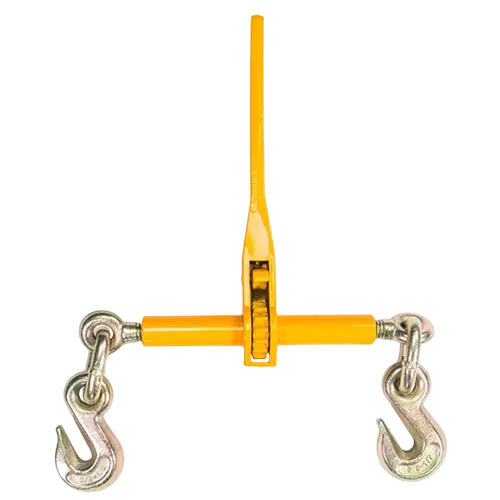
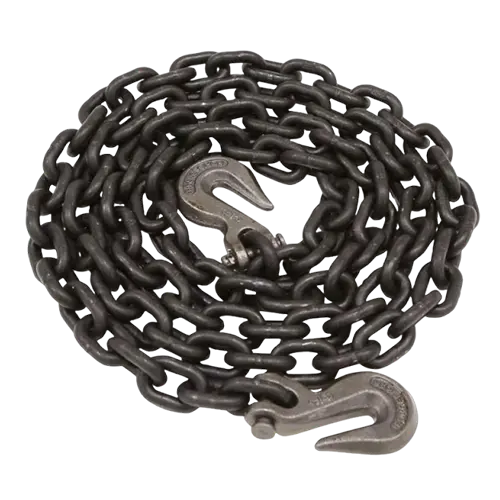
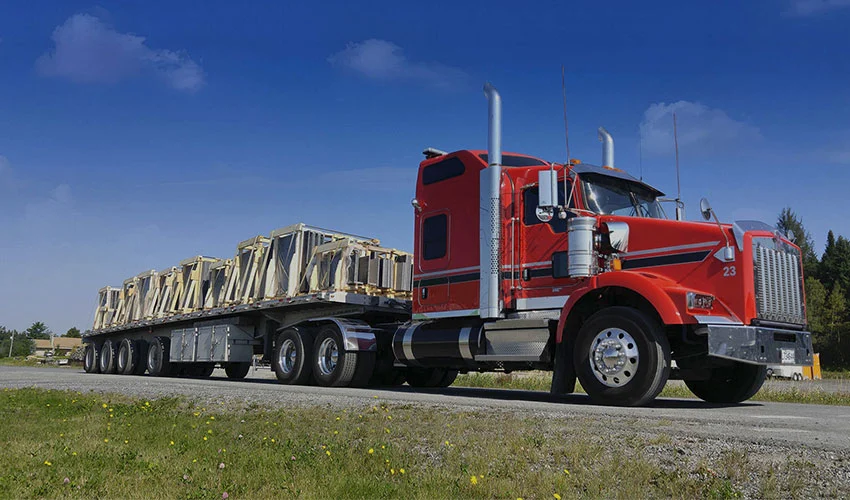
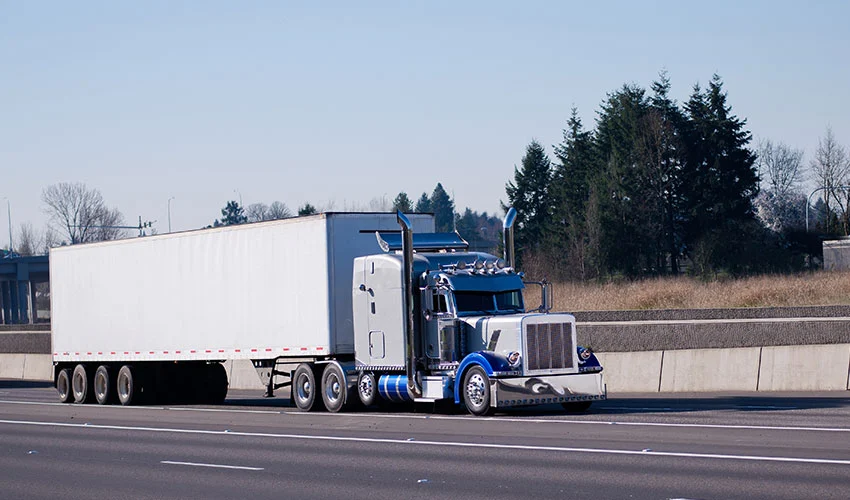
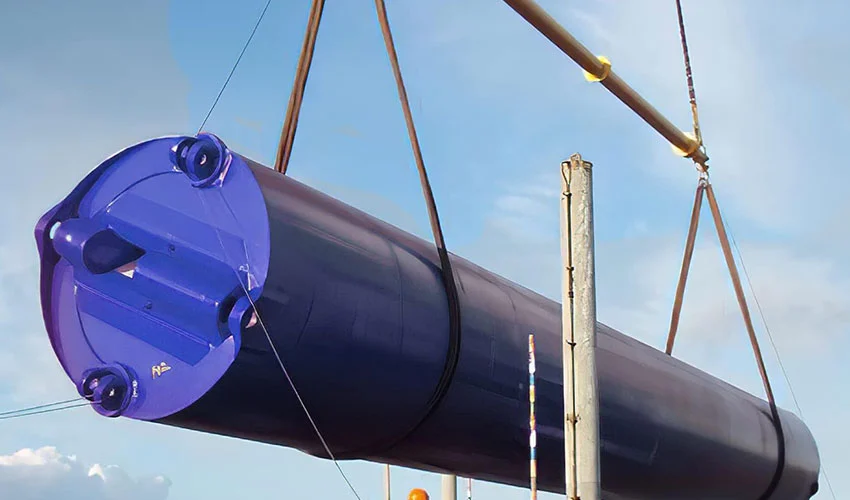
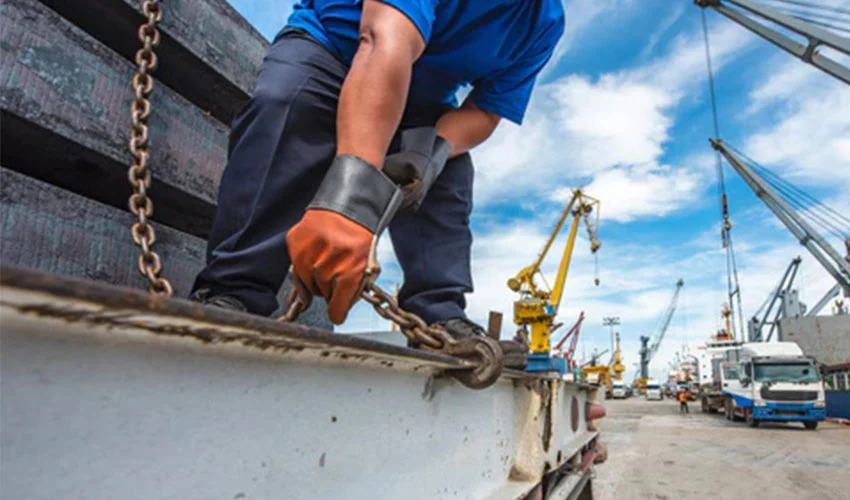
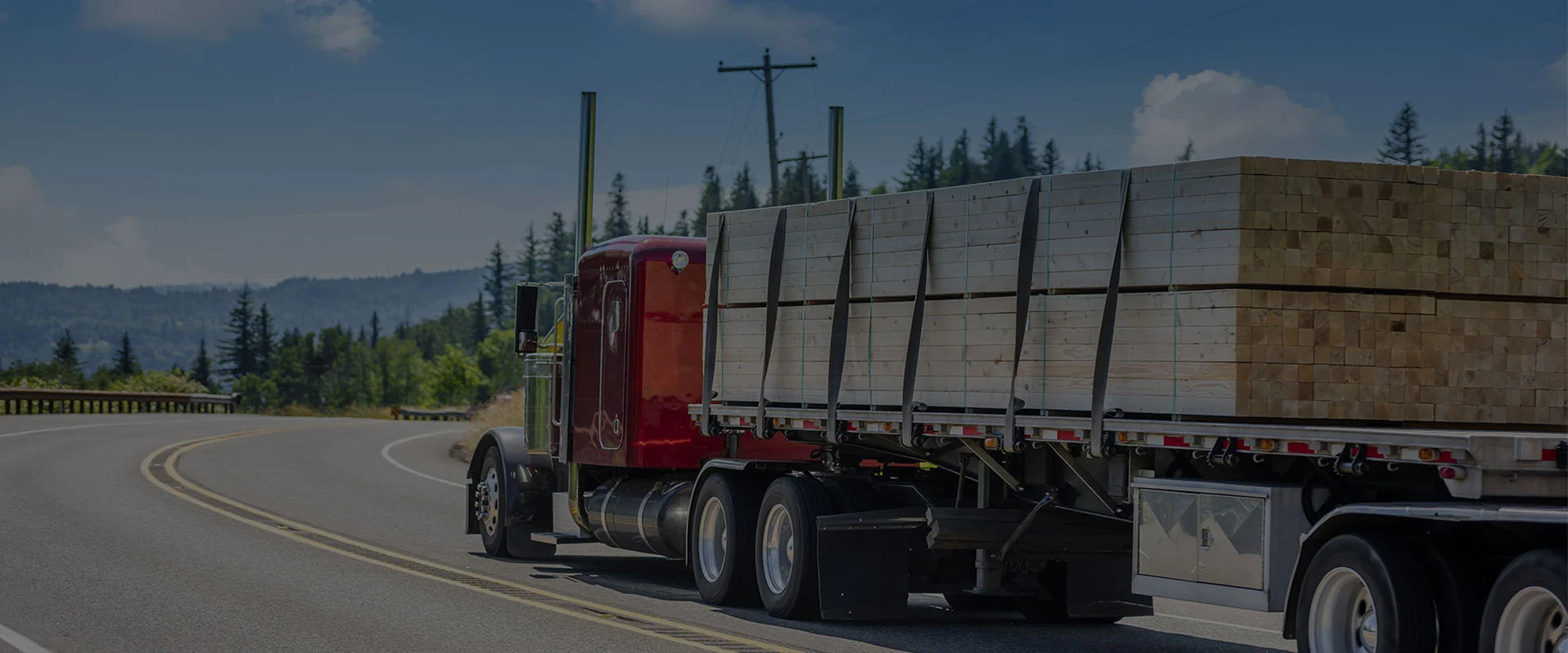
A load binder is a mechanical tensioning device engineered to tighten chains and restrain heavy cargo during transport. It is commonly used in logistics, construction, agriculture, industrial shipments, and long-haul trucking operations where load stability is critical.
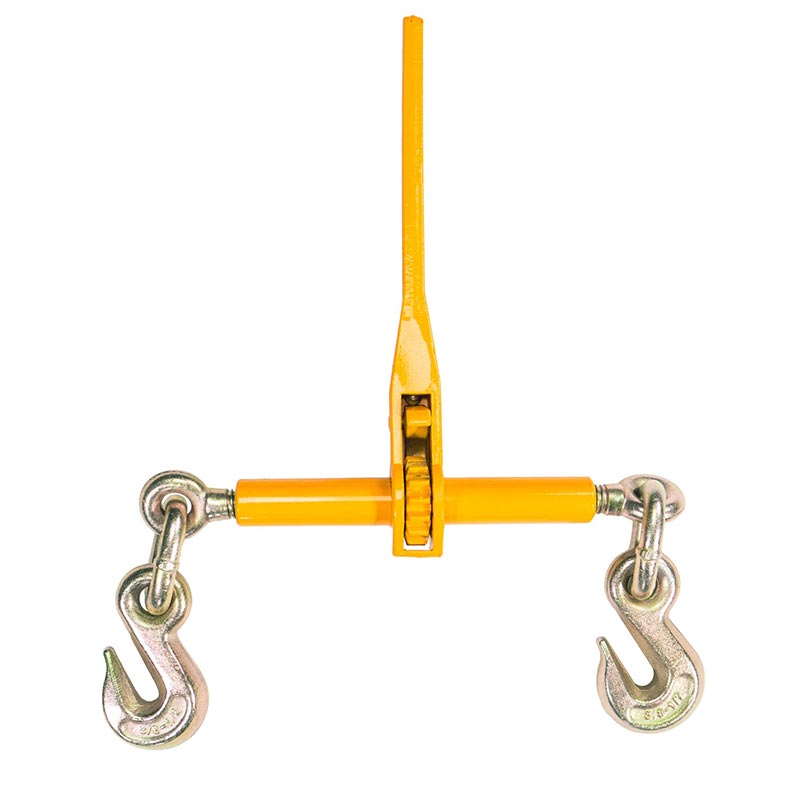
A load binder typically comes in two core variants: ratchet binders and lever binders. Both formats generate chain tension, but each achieves mechanical advantage differently. High-grade forged steel construction, precision threading, ergonomic handle geometry, and strict working load limits (WLL) determine overall performance. In demanding environments, the device must maintain consistent tension, withstand shock loads, and resist fatigue. A well-engineered binder also ensures rapid tightening and controlled release, lowering the risk of recoil accidents or cargo shifts. With increasing global logistics volumes, the selection, maintenance, and correct application of load binders have become essential aspects of secure operations.
Below is a representative parameter table that reflects the structural and performance specifications commonly required for professional transport applications:
|
Parameter Type
|
Specification Range
|
Description
|
|
Working Load Limit (WLL)
|
3,300–13,000 lbs (varies by model)
|
Defines the maximum allowable tension applied to the chain system.
|
|
Breaking Strength
|
12,000–46,000 lbs
|
Represents the ultimate tensile strength before failure.
|
|
Chain Compatibility
|
1/4"–1/2"
|
Matches binder hooks to compatible transport chain sizes (G70, G80, G100).
|
|
Handle Length
|
13"–16"
|
Influences leverage and user-applied force.
|
|
Material
|
Forged carbon steel or alloy steel
|
Ensures structural integrity and resistance to deformation.
|
|
Finish
|
Powder-coated, painted, or zinc-plated
|
Provides corrosion resistance in outdoor or marine environments.
|
|
Mechanism Type
|
Ratchet / Lever
|
Determines tensioning method and operational safety characteristics.
|
|
Hook Design
|
Clevis grab hook or slip hook
|
Ensures secure chain engagement and load stability.
|
How Load Binders Contribute to Safer Heavy Cargo Operations
Understanding how load binders stabilize freight requires examining mechanical load distribution and tension retention. When heavy cargo accelerates, decelerates, or shifts during transport, dynamic forces travel through the chain system. An effective binder converts manual effort into consistent tension that prevents slack, reduces vibration, and stabilizes the cargo's center of mass. This reduces the probability of chain disengagement, equipment damage, and roadway hazards.
Ratchet binders, for example, use a threaded spindle and gear-driven mechanism to apply tension gradually. This slow-build tension reduces operator strain and allows precise control, making the device ideal for oversized or fragile loads that require incremental tightening. Lever binders rely on handle leverage, enabling quick tightening but requiring more operator strength. In industries where time is a critical factor, lever binders remain popular due to speed, though ratchet binders often provide improved safety control.
In transport environments governed by strict regulations, the use of properly rated load binders becomes a compliance requirement. This includes applications involving steel coils, machinery, lumber, construction materials, and industrial components where improper load securement could lead to legal liabilities. Professional operators also consider binder inspection procedures: checking for handle deformation, hook wear, damaged threads, or stretched components that may compromise load integrity. Proper maintenance ensures that the device maintains its working load limit and continues to perform reliably under heavy stress.
How to Select the Right Load Binder for Chain Grade and Cargo Type
Selecting a load binder involves aligning key engineering parameters with the characteristics of the cargo and chain grade. For example, a G70 transport chain commonly used in trucking requires a binder rated to the same grade. Using mismatched components can reduce load capacity and violate industry safety requirements. Chain diameter also plays a direct role: larger chains require binders with higher WLL and stronger hooks.
Operational frequency and user environment also drive binder selection. If the binder will be used daily in rugged outdoor conditions, corrosion-resistant finishes and heavy-duty threads extend usable life. In high-production loading environments, ratchet binders reduce operator fatigue due to their mechanical advantage. For operators who prioritize swift tightening, lever binders remain efficient, though they must be used with proper technique to prevent recoil injuries.
Transport operators should also analyze load shape, center of gravity, and movement tendencies. Loads that tend to settle or compress—such as lumber or agricultural goods—may require periodic re-tensioning. A ratchet binder facilitates safe incremental adjustments without disengaging the chain system. Conversely, machinery with rigid dimensions typically maintains stable tension once properly secured.
Environmental considerations include temperature fluctuations, exposure to chemicals, or marine humidity. Alloy steel constructions help resist stress corrosion cracking, while powder-coated surfaces minimize rust. These features directly influence long-term durability and performance stability.
How Load Binder Mechanics Are Evolving in Response to Industry Trends
As industrial supply chains continue to modernize, load binder designs are evolving to meet higher safety standards and performance expectations. Manufacturers are incorporating advanced metallurgy, improved handle ergonomics, and reinforced thread geometries to withstand repetitive use. A focus on fatigue resistance ensures that binders remain dependable even under continuous cyclic loading.
Another emerging trend is the adoption of load-monitoring practices. While load binders themselves remain mechanical devices, operators are increasingly integrating tension indicators, load gauges, or complementary equipment that helps measure chain tension more accurately. Such additions address the problem of over-tightening or under-tightening, both of which can compromise cargo stability.
Sustainability also influences material selection. Corrosion-resistant coatings reduce the frequency of replacement, lowering environmental impact and operational overhead. The demand for more energy-efficient manufacturing methods encourages improved forging and heat-treatment processes, resulting in stronger structural profiles without unnecessary material excess.
Global logistics growth has also created a greater need for standardized quality control. Regulatory organizations emphasize realistic testing of WLL and breaking strength values, and professional users increasingly seek equipment with consistent manufacturing traceability. This ensures confidence that the binder meets its published performance metrics.
Looking ahead, product development will focus on enhancing safety margins, improving user ergonomics, and tightening tolerances. The objective remains constant: safer, more efficient cargo restraint systems that align with the needs of an expanding global transport infrastructure.
How Load Binder Applications Align with Professional Use Cases
Heavy-haul logistics requires load binders that can adapt to varied cargo types and operating conditions. In construction logistics, for example, operators secure excavators, bulldozers, structural beams, or prefabricated components. These loads exert high dynamic forces during transit, requiring binders with robust hooks and stable tension mechanisms.
Agriculture relies on load binders for farm equipment, produce crates, and irrigation machinery. Since agricultural operations may expose equipment to dirt, moisture, and corrosive fertilizers, surface finishes and easy-to-clean structures are important.
Mining and energy sectors transport drilling components, piping, and heavy raw materials. These environments often impose abrasive or vibration-intensive conditions, making fatigue-resistant and high-strength binders indispensable.
Manufacturing supply chains use load binders during intra-facility transfers or regional distribution. Palletized machinery, industrial materials, or precision equipment must be secured without inducing excessive pressure that might distort sensitive components. Here, ratchet binders provide slow tightening and reduce the risk of load shock.
International transport requires consistent compliance with varying equipment standards. Operators must ensure that binder WLL aligns with chain requirements across jurisdictions. The combination of correct capacity matching, routine inspections, and appropriate tensioning techniques ensures that cargo remains stable throughout the entire transit cycle.
Professional crews also emphasize workflow efficiency. Proper binder placement, even spacing of tie-downs, and strategic tension distribution enable quicker loading and unloading. Experienced teams use standard procedures to avoid creating uneven stress points or unstable tension profiles.
Common Questions About Load Binders
Q: How often should a load binder be inspected during regular transport operations?
A load binder should be inspected before each use, with additional checks conducted periodically during long-distance transport. Operators should look for bent handles, cracked hooks, worn threads, missing cotter pins, or corrosion on moving components. Any binder showing structural deformation or compromised parts should be immediately removed from service to prevent load instability or equipment failure. Inspection is especially important when hauling high-value or oversized cargo.
Q: What is the correct method for releasing tension safely from a load binder?
Tension should be released slowly and under controlled conditions. For a ratchet binder, the operator gradually reverses the ratcheting direction to reduce tension without sudden recoil. Lever binders require careful positioning of the body away from the handle’s potential swing path, ensuring a firm grip and controlled reduction of pressure. Maintaining stability during tension release prevents chain snapback and protects both the operator and surrounding equipment.
Load binders remain an essential component of safe cargo transportation. Their structural integrity, tensioning capability, and compatibility with transport chains determine how effectively they secure heavy loads under dynamic conditions. Improvements in metallurgy, mechanical design, and ergonomic engineering continue to enhance operational reliability across trucking, construction, agriculture, mining, manufacturing, and industrial logistics.
Force offers load binders engineered to deliver consistent performance, durable construction, and dependable tension control for professional applications. For specialized requirements, product matching guidance, or technical consultation, contact us to discuss solutions that support safe and efficient cargo operations.

 Language